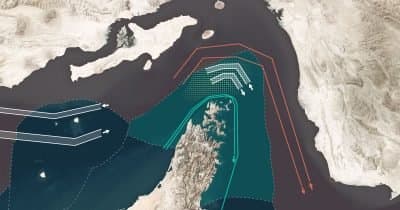
Iran says it's ready to reopen the Strait of Hormuz. The catch: vessels will pay transit fees, and Tehran wants guarantees it won't face military strikes again. Markets currently price the odds of fee collection by August 31 at just 27%, but confidence grows sharper further out, with 70% probability by October and 75% by year-end.
The shift tracks closely with recent negotiations between Washington and Tehran. Iran's demands are straightforward enough: lift the U.S. naval blockade, ease oil sanctions, and recognize Iran's toll authority over one of the world's most critical oil passages. The U.S. has eased sanctions temporarily to keep talks alive, though warships still patrol the waters.
Market participants are reading the tea leaves carefully. A Wall Street Journal report on Iran's conditions moved pricing up noticeably, suggesting traders believe Tehran's demands might actually move the needle. The gap between August and October pricing tells the real story: most bets are on fees kicking in by fall, not summer.
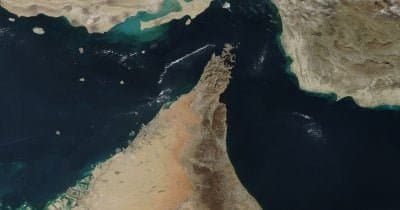
The Strait funnels roughly one-fifth of global oil traffic. A fee system would reshape shipping costs across the energy sector, which is why prediction markets track this at all. Recent regional moves show Iran already positioning itself for greater control, making the fee scenario less theoretical each week.
Watch for three signals: official announcements from Iran's government or the Islamic Revolutionary Guard Corps about any pause on collection, statements from U.S. Secretary of State Marco Rubio on whether talks are moving forward, and most concretely, reports of actual vessel payments. Any of those would swing the odds decisively.
This article presents market expectations and geopolitical developments. It is not financial or investment advice and should not be treated as a recommendation to trade or invest.