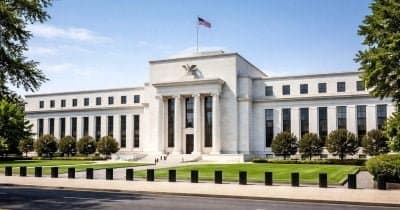
When the Federal Reserve held steady on interest rates last Wednesday, three officials stood firmly in favor of raising them. Lorie Logan from Dallas, Neel Kashkari of Minneapolis, and Beth Hammack of Cleveland wanted a 25 basis point hike. Their split vote 9 to 3 exposed a divide not just in numbers, but in how the inflation threat is perceived.
Logan argues prices remain stubbornly high. She points to inflation lingering around 2.5%, well above the Fed’s 2% target, after stripping out temporary supply shocks and productivity gains. The Dallas Fed leader doubts current rates are curbing spending or hiring, raising the risk inflation could creep even further without a policy response. For her, a modest, early increase beats waiting for a bigger problem later.
Kashkari’s stance differs sharply. Rather than seeing inflation as firmly stuck, he treats the future as too uncertain for comfort. His push for tighter policy is a hedge against unpredictable economic shocks rather than a reaction to current inflation metrics. Hammack, whose reasoning has come out more recently, adds another unique perspective to the dissenters’ camp.
Their individual views reveal a fractured Fed grappling with inflation’s course amid divergent risks. While the committee chose to pause rates at 3.5% to 3.75%, the 30-year Treasury yield jumped to its highest since 2007 by Thursday, reflecting markets already pricing in further hikes. Such dissonance among policymakers adds complexity for investors and consumers watching how inflation and economic growth will balance out.
Tether’s recent asset shifts highlight how financial players adjust to these policy uncertainties, seeking stability amid market swings. Meanwhile, continued volatility in other sectors shows the ripple effects of the Fed’s measured but divided approach.
This article is informational and does not constitute financial advice.