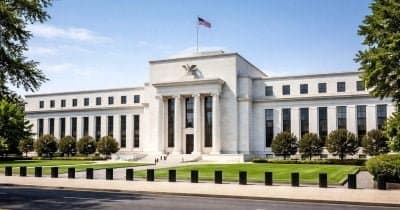
The Federal Reserve's July meeting revealed a clear divide among its policymakers. Three FOMC members Beth Hammack, Neel Kashkari, and Lorie Logan voted to raise interest rates by 25 basis points, signaling unease over inflation's stubborn climb. They argued that the current federal funds rate range of 3.50% to 3.75% falls short of what’s needed to bring inflation back to the Fed’s 2% goal.
Markets reacted to this dissent by adjusting the odds for a rate hike in the upcoming October meeting. The chance of a 25-basis-point increase dropped from 32% to about 22.5% in a week, while the likelihood of no change rose from 54% to nearly 69%. This swing reflects investors weighing the dissenters' push against softer economic data and the Fed’s overall communication.
What the Dissent Means for Monetary Policy
These dissenting votes expose a faction within the Fed ready to tighten monetary policy further if inflation does not ease. Their stance adds pressure on the institution to stay vigilant, especially after months where inflation has refused to cool as quickly as hoped. The majority still favors holding rates steady, but the dissent indicates that the Fed’s path may not be as straightforward as previously expected.
Traders and analysts will watch Jerome Powell’s comments and upcoming economic reports closely. Inflation readings and employment figures over the next weeks could shift the balance, either reinforcing the case for a hike or affirming patience. The market's fluctuating odds shows an uncertain outlook, with the Fed’s October decision poised to reflect this tension.
This material is for informational purposes and does not constitute financial advice.