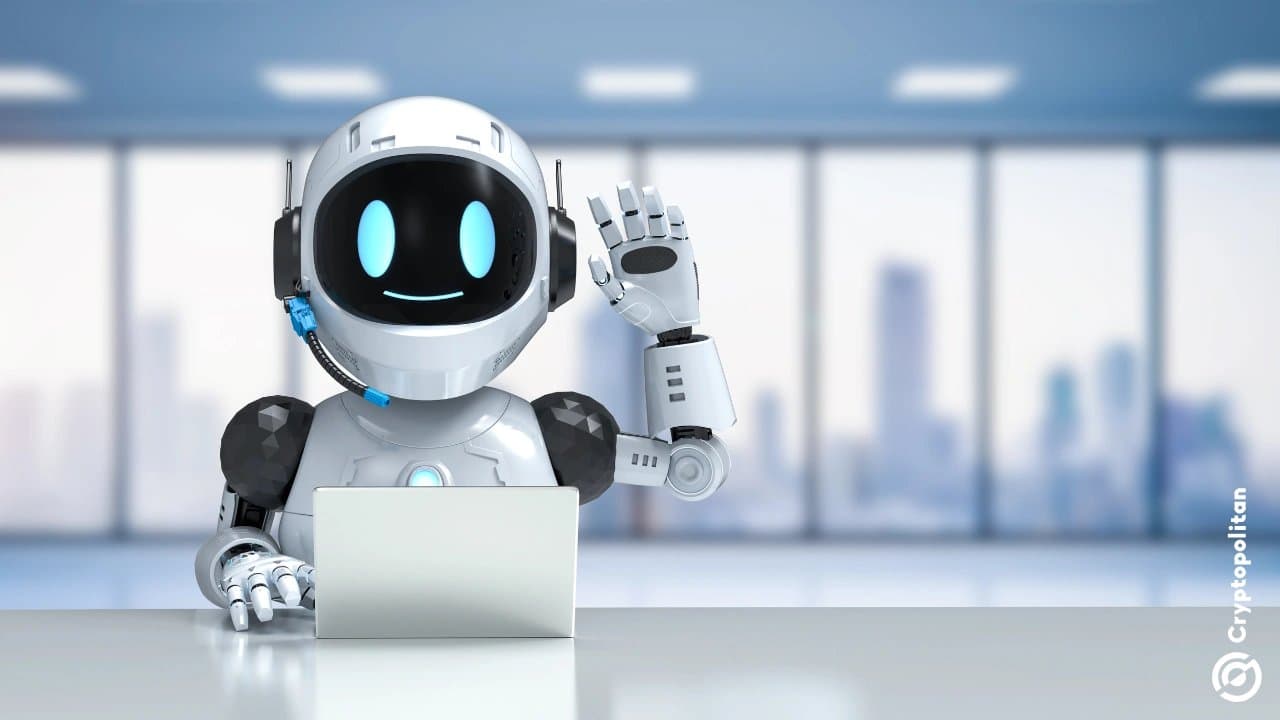
Tau Robotics has started renting humanoid cleaning robots in San Francisco for $30 an hour, but there’s a catch these machines aren’t fully autonomous. Equipped with hardware from Chinese manufacturer Unitree, the robots require a human operator who controls them remotely during every cleaning session.
Human Operators Behind Robot Movements
Each robot visit lasts about an hour and happens only through an invite-only system with a public waitlist. When a customer requests service, Tau Robotics sends a robot to their home, where a trained operator at the company’s facility drives it in real time. The AI built into the system manages balance and motor controls, but the operator retains full command, much like a driver in autonomous vehicles where technology assists but does not replace human control.
CEO Alexander Koch explained the approach, saying current AI cannot yet reliably control humanoid robots on its own. Given that the technology is still evolving, the company prioritizes human supervision to avoid mishaps and ensure quality. Some operators are full-time employees, while others are contracted via recruitment agencies.
Chinese Tech in the Spotlight Amid Import Restrictions
Unitree’s hardware powers these humanoid robots despite the Trump administration’s ban on new Chinese robot imports. This raises questions about supply chains and compliance, especially as the company moves forward with its California operations. Tau Robotics offers three robot models Chelsea, Elon, and Tony each designed for specific cleaning tasks such as kitchens or bathrooms using non-toxic products.
This hands-on yet remote-controlled approach contrasts with ambitions for fully autonomous home cleaning but reflects the current technological limits. Meanwhile, AI advancements continue to reshape robotics, though experts like Berkeley’s Ken Goldberg emphasize that true robot autonomy in household tasks remains out of reach.
This article is for informational purposes and does not constitute financial advice.