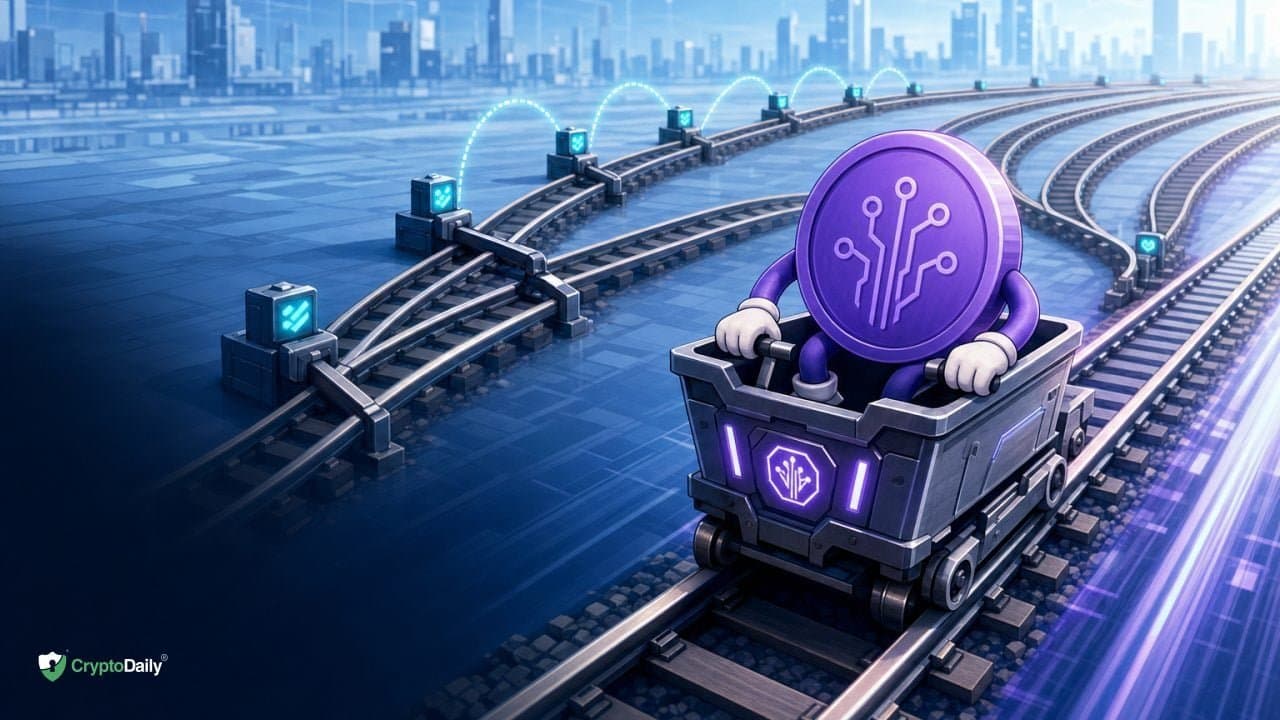
Based rollups shake up Ethereum layer-2 scaling by removing the usual central sequencer. Instead of a single operator deciding transaction order, the network relies on Ethereum’s own block proposers to determine the sequence. This means the L2 rollup’s chain is directly derived from Ethereum’s ordering, cutting out the middleman.
This setup eliminates censorship risks tied to a single point of failure but also shifts how MEV (Miner Extractable Value) operates. The value extraction moves up to L1 proposers and their relays, who now play a bigger role under the new proposer-builder separation (PBS) model. Meanwhile, user experience changes as transactions align with Ethereum’s ~12-second slot timing, with occasional risks like chain reorganizations.
How Based Rollups Work
The sequencing job passes fully to Ethereum layer 1. L2 batches are published on Ethereum, and whichever order Ethereum finalizes becomes canonical for the rollup. The rollup then executes transactions and posts cryptographic proofs to verify state transitions. This layering keeps security rooted in Ethereum while decentralizing transaction ordering.
However, based rollups don’t solve proof weaknesses or faulty bridges, highlighted by recent incidents with the Taiko rollup. Taiko’s upgrades after those events show how governance and proof mechanisms must align tightly with based designs to maintain network integrity.
Users will notice that these rollups aren’t faster by default. They inherit Ethereum’s congestion and block cadence, meaning throughput matches the base layer’s limits rather than exceeding them through separate sequencing servers.
This coverage is informational and not a financial recommendation.