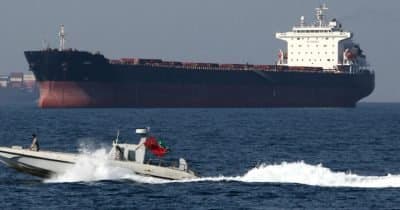
A vessel owned by Greek shipping billionaire George Prokopiou was seized by Iranian forces near the Strait of Hormuz on July 22, 2026. It sounds like a single incident. It isn't. This is the third tanker capture since the current regional conflict began, and the pattern matters more than any individual event.
The Strait of Hormuz is where roughly 20% of the world's traded oil passes through a corridor barely 33 kilometres wide at its narrowest point. When Iran stops ships there, it isn't just an act of pressure on the vessel's owner. It sends a message to every cargo insurer, every shipping company routing tankers through the Persian Gulf, and every energy trader watching freight rates. The previous seizures already involved Greek-flagged tankers, and they were entangled in the broader three-way tension between Iran, Israel, and the United States. Prokopiou's ship is simply the latest piece on that board.
What Prediction Markets Are Pricing In
There's a market called «Strait of Hormuz Traffic Normalization» that asks whether shipping through the strait will return to normal levels by August 31. Right now the YES side sits at 14.5%, up from 12% just a week ago. That 2.5 percentage point move sounds small, but in a binary market where traders are putting real money on geopolitical outcomes, even a marginal shift signals something: a handful of participants think de-escalation is slightly more likely than they did seven days ago. The majority still don't buy it.
14.5% essentially means the market gives roughly a one-in-seven chance that tanker traffic through the world's most critical oil chokepoint returns to normal before September. For energy markets, that's a significant shadow. Freight premiums on Gulf routes stay elevated, insurers charge war-risk loadings, and some operators reroute around the Cape of Good Hope, adding weeks and cost to every voyage.
Why This Feeds Directly into Crypto and Macro Sentiment
Oil supply shocks rarely stay confined to energy desks. A sustained Hormuz disruption would push crude prices higher, feed into inflation expectations, and complicate the Federal Reserve's rate path, the same macro thread that Grayscale has been mapping to Bitcoin's trajectory. Risk assets broadly, crypto included, tend to reprice when geopolitical stress starts showing up in commodities. The correlation isn't mechanical, but it's real enough that institutional desks watch Hormuz traffic the same way they watch Fed minutes.
Three seizures in one conflict cycle is not routine. What to watch now: any public statement from Washington or Tehran that signals a backroom negotiation, any change in maritime authority traffic advisories for the Gulf, and whether that 14.5% YES probability starts climbing or collapses back toward single digits. If it drops, the market is telling you the situation just got worse.
This article is for informational purposes only and does not constitute financial or investment advice.