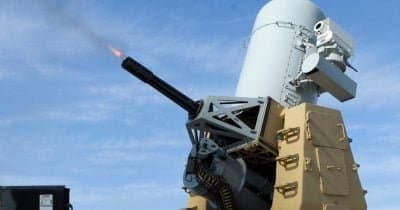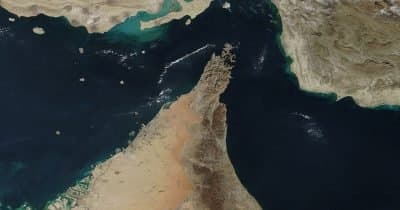
Footage doesn't lie. Video and satellite imagery published by the New York Times on July 22, 2026 shows concrete physical damage to U.S. military sites across the Middle East, with the destruction extending to air defense systems and command-and-control infrastructure. These aren't symbolic craters near a perimeter fence. The hits landed on assets that actually matter operationally.
The attribution points to Iranian strikes, and the visual record makes it difficult to dismiss this as exaggerated. What's being documented here is a meaningful step up from the pattern of probe-and-respond that has characterized U.S.-Iran tensions for years. When command infrastructure takes damage, the other side has to decide fast whether to reconstitute, retaliate, or hold. That decision window is where the real risk lives.
What Prediction Markets Are Pricing In
Market odds as of July 22 put the probability of Iranian military action against Gulf states at 59% for that same day. That's not a fringe scenario, that's a coin flip with serious geopolitical weight behind it. Prediction markets tend to aggregate information quickly, pulling in signals from traders who track military movements, diplomatic cables, and open-source intelligence simultaneously. A 59% YES on Gulf state strikes means the crowd believes escalation is the more likely path, not a tail risk.
For crypto investors, this connects directly to oil price dynamics and broader risk appetite. As Iran's earlier Hormuz ultimatum showed, when the strait comes under pressure, crude spikes and Bitcoin tends to see volatile correlation swings, sometimes acting as a hedge, sometimes selling off alongside equities in a pure risk-off flush.
The Actors to Watch
Statements from Ali Khamenei carry more operational weight than anything from the Iranian presidency right now. Khamenei sets the doctrine. Ebrahim Raisi's public posture matters for signaling, but if escalation orders come, they flow from the Supreme Leader's office. Any shift in language from either figure, toward justification of further strikes or toward opening a diplomatic back-channel, will move markets faster than a formal announcement.
Gulf states, particularly those hosting U.S. assets, are now calculating exposure. Saudi Arabia and the UAE have their own red lines, and Iranian pressure on their territory would trigger a different regional calculus entirely. The conflict geometry could expand quickly if a Gulf state becomes a direct theater rather than a backdrop.
Volatility in prediction markets will likely compress time horizons for traders. When odds shift 10 points in an hour on a geopolitical contract, the implied information flow is intense. The satellite images released by the New York Times may themselves move those odds in the hours after publication, as market participants update on confirmed physical evidence rather than reported claims.
This article is for informational purposes only and does not constitute financial or investment advice. Always do your own research before making any financial decisions.