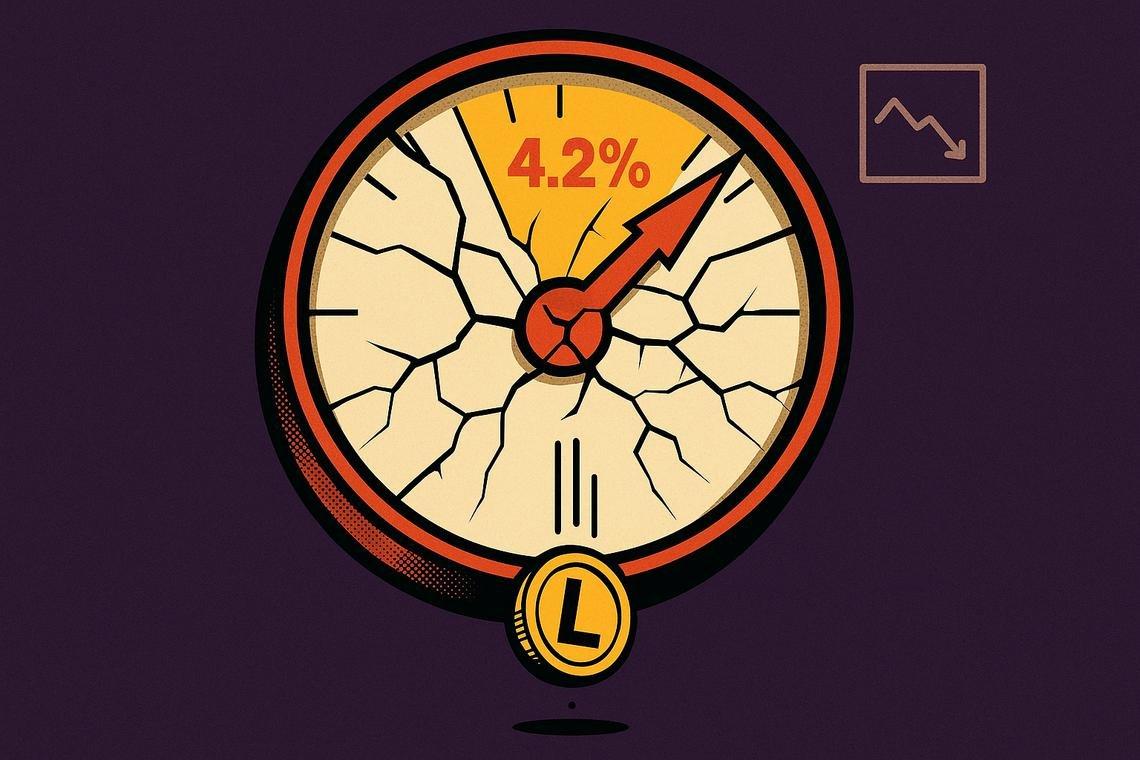
As inflation continues to rise, reaching 4.2% in May 2026 the highest rate since April 2023 its implications are echoing throughout various sectors of the economy, including consumer goods and cryptocurrencies. A recent report from PepsiCo, which issued price cuts on iconic products like Lay’s and Doritos, provides insights into how inflation is affecting consumer behavior and, by extension, risk assets such as Bitcoin.
Understanding the Economic Landscape
The significant rise in US Consumer Price Index (CPI) inflation, coupled with persistent high oil prices influenced by geopolitical tensions such as the Iran conflict, has brought a wave of economic uncertainty. Despite PepsiCo reporting a 6.4% growth in net revenue to $24.2 billion for Q2 2026 a figure underpinned mainly by international markets the trends suggest a worrying domestic landscape:
- North American food sales dropped by 2% year-over-year.
- Core brands saw price cuts of up to 15%.
- The yield on South Korea's 50-year Treasury bonds approached an all-time high of 4.345%.
This combination of rising prices and declining consumer spending is indicative of a shift that may not easily reverse, potentially foreshadowing further economic trouble.
The Ripple Effect on Cryptocurrency
Historically, cryptocurrencies like Bitcoin have struggled to maintain their value during periods of high inflation and rising interest rates. The current environment fosters skepticism among investors, particularly as the economic conditions adversely affect consumer spending and corporate profitability. The recent moves by PepsiCo to lower prices reflect not just seasonal adjustments but indicate deeper pressures in the consumer market. As companies react to diminished spending power, the attractiveness of risk assets, including cryptocurrencies, often declines.
Looking Ahead: Potential Developments
With the current inflationary pressures and the Federal Reserve's tightening of monetary policy, investors in cryptocurrencies should brace for continued volatility. Key factors to watch include:
- Further shifts in consumer behavior and spending, especially in the face of sustained inflation.
- Corporate earnings reports that may highlight how companies like PepsiCo adapt to economic pressures.
- Any changes in regulatory stances towards cryptocurrencies amid economic fluctuations.
Understanding these dynamics will be crucial for anyone navigating the crypto landscape. The ripple effect of inflation on traditional markets is a phenomenon that could significantly impact the cryptocurrency sector in the foreseeable future.
This material is for informational purposes only and is not financial advice.