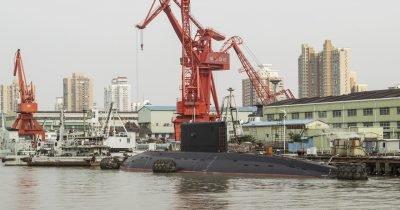
On July 6, 2026, China marked its first publicly known submarine-launched ballistic missile test in nearly two years. The implications of this event extend far beyond just military capabilities; they signal a notable shift in geopolitical dynamics, particularly concerning relations with the United States.
Why This Test Matters to Investors and the Global Market
This missile launch serves as a critical reminder of the growing military ambitions of China and the subsequent geopolitical risks that arise. Here are some key points illustrating why this event warrants attention:
- It was the first submarine-launched ballistic missile test by China in almost two years.
- The test resulted in significant concern from allied nations, including Australia and New Zealand.
- China issued only a few hours' notice before the launch, defying traditional warning protocols.
The increasing sophistication of China’s military capabilities prompts a heightened risk assessment within financial markets, especially in sectors sensitive to geopolitical stability. The U.S. has responded with criticism, indicating that such actions could disrupt global peace and invite further tensions within the Indo-Pacific region.
Understanding the Broader Implications
China's Ministry of Defense downplayed the significance of the test, labeling it as routine. However, defense analysts perceive this test as a demonstration of China’s advancements towards establishing a credible sea-based second-strike capability. This advancement aims to deter any potential nuclear threats by ensuring China can retaliate even following a nuclear strike.
Historic context is important here. The submarine aspect of China’s nuclear triad has been its least developed component compared to U.S. and Russian capabilities, which results from decades of operational experience. This missile test suggests that China is closing that gap, further complicating the security landscape in the region.
What to Watch Moving Forward
Investors and analysts should remain vigilant as the situation unfolds. Key areas to monitor include:
- Reactions from the United States and its allies, particularly any military or strategic adjustments.
- Possible dialogue regarding missile launch notification agreements to minimize miscommunication hazards.
- Market responses in sectors exposed to geopolitical volatility, which may include defense, energy, and technology sectors.
The developments from this missile test underline the necessity for investors to stay informed about geopolitical events, as they may significantly influence market conditions. As tensions rise, the importance of a comprehensive risk assessment cannot be overstated.
This material is for informational purposes only and does not constitute financial advice.