A recent investigation has revealed a complex web linking Chinese-owned vessels operating near Taiwan to North Korean smuggling networks. The findings underscore the challenges of enforcement in one of Asia’s busiest maritime corridors, raising critical questions about international sanctions and trade compliance.
Why This Matters for the Global Market
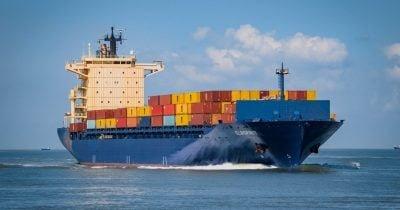
The Financial Times report indicates that Taiwan has blacklisted at least 52 ships tied to irregularities associated with North Korea. This blacklist, maintained since January 2025, allows Taiwanese authorities to monitor and inspect these vessels closely, an essential measure given Taiwan's ban on trade with North Korea, enacted in 2017 to align with UN sanctions.
- 52 Chinese-owned ships identified on Taiwan's maritime blacklist.
- Blacklisting initiated in January 2025.
- Taiwan's trade ban with North Korea has been in effect since 2017.
This blacklisting raises significant implications for shipping routes and maritime insurance in the region. If Taiwan opts to intensify inspections or expand its blacklist further, it may result in longer transit times through the crucial Taiwan Strait. Consequently, shipping companies might see a rise in insurance premiums due to perceived risks in the area.
Understanding the Broader Implications for Sanctions Evasion
The involvement of flags-of-convenience adds a layer of complexity to enforcing sanctions. Vessels registered under different jurisdictions can obscure the actual ownership, complicating efforts to hold operators accountable. The Financial Times highlights that while there are no direct connections to cryptocurrency in these maritime smuggling networks, it is essential to recognize the broader context. North Korea, through entities like the Lazarus Group, has utilized stolen cryptocurrency to fund its weapons programs and evade international sanctions.
This is a reminder for stakeholders in cryptocurrency markets that geopolitical tensions and sanctions evasion strategies are interlinked, even if indirectly. As shipping dynamics evolve due to these investigations, market participants should remain vigilant to possible shifts in risk and regulatory environments.
Looking Ahead: What to Monitor
As this situation unfolds, stakeholders should closely monitor Taiwanese regulatory responses and the potential for increased scrutiny of international shipping practices. The outcomes of such actions may reshape trade routes significantly and influence maritime security policies within the region. In addition, the persistent challenge of North Korea's sanctions evasion techniques, whether through shadow fleets or cyber means, remains a critical issue worthy of attention.
This material is for informational purposes only and does not constitute financial advice.