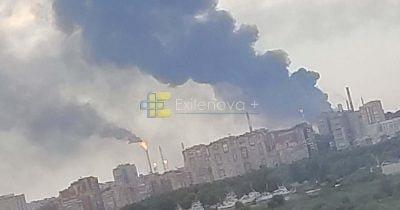
The recent drone strike on the Omsk oil refinery by Ukrainian forces represents not only a tactical military achievement but also a significant strategic shift in the ongoing conflict. This attack, executed with upgraded Fire Point FP-1 drones capable of traveling distances up to 2,700 kilometers, underscores the vulnerabilities within Russia's energy infrastructure, which is often perceived as critical to its stability and economic security.
Understanding the Significance of the Omsk Strike
The Omsk refinery, managed by Gazprom Neft, is integral to Russia’s oil production, processing over 21 million metric tons of crude annually and accounting for roughly 10% of the nation’s refining capacity. By directly targeting such a crucial facility, Ukraine has tapped into a new phase of hybrid warfare that not only undermines physical assets but also psychological confidence in Russian defenses.
- The Omsk facility processes about 24,580 metric tons of crude daily.
- The attack caused a halt in operations at the refinery by July 7.
- This strike represents the first of its kind for the Omsk facility, suggesting a change in operational capabilities for Ukraine.
Moreover, the strike's location in Siberia a region previously considered a secure zone shows that Ukraine can project power deep into Russian territory. While Russian officials claimed to intercept most incoming drones, the very fact that a critical installation was successfully hit raises questions about the effectiveness of their air defenses and highlights potential weaknesses in their strategic energy infrastructure.
Potential Ramifications for Russian Energy Supply
The implications of this drone strike are profound. With the Omsk refinery accounting for over half of the motor fuel consumption in the Siberian Federal District, the loss of 38% of its capacity, even temporarily, could lead to notable fuel shortages in the region. Such disruptions can cascade through the broader economy, impacting transportation, logistics, and daily life in one of the country’s most important areas.
This strike also sets a precedent for future operations, suggesting that Ukraine might pursue additional attacks on Russian energy assets in the hopes of weakening the Kremlin's operational capabilities and internal morale.
Looking Ahead: What to Watch For
As the situation continues to evolve, several key factors will demand attention:
- Will Ukraine continue to target other critical energy facilities in Russia?
- How will Russia respond militarily and strategically to reinforce its energy infrastructure?
- What impact will this have on global oil markets and geopolitical alignments?
The answers to these questions will profoundly affect not only the conflict between Ukraine and Russia but also global energy dynamics and the economics of related markets.
This material is for informational purposes only and is not financial advice.