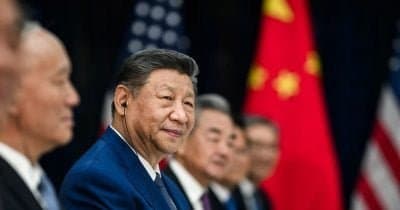
Beijing is softening its stance on technology exports just weeks before a potential presidential visit to Washington. The shift matters because it signals something the markets have already priced in: the two countries might actually be moving toward détente rather than deeper conflict.
Prediction markets now peg the odds of Xi Jinping traveling to the US before 2026 closes at 93.5%, up from 92% last week. That single percentage point move reflects real conviction among traders that Beijing's recent regulatory adjustments aren't just noise. They're reading them as genuine signals of diplomatic thaw, the kind that precedes high-level state visits.
What Beijing changed
China tightened controls on advanced technology exports and introduced new regulatory measures. The moves appear counterintuitive at first, harder restrictions seeming like escalation. But within the context of US-China relations, they look different. These aren't the actions of a country digging in. They're the actions of one managing both domestic pressure and international relationships simultaneously, recalibrating to maintain economic ties while protecting technological independence.
The timing connects directly to Trump's recent bilateral meeting with Xi, where both sides tested whether a genuine conversation remained possible beneath the trade war rhetoric. If the meeting moved the needle toward serious talks, Beijing's tech policy adjustments are the follow-through, the quiet repositioning that happens in the weeks before leaders meet.
Why markets are watching
For traders and investors, Xi's visit would signal something concrete: that the US-China technology conflict, which has shaped everything from chip manufacturing to AI development, might enter a new phase. Not resolution, necessarily, but managed competition instead of escalation. That distinction moves markets in semiconductors, cloud computing, and anything else caught between the two powers.
The next signals to watch are diplomatic announcements from Washington and any formal invitation extended to Xi. Changes to tech export controls from either side could shift these odds again just as quickly.
This article is informational and does not constitute financial or investment advice. Market predictions and geopolitical assessments carry inherent uncertainty.