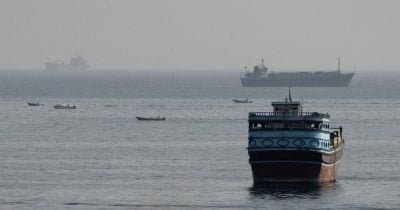
The Iran-backed Houthis claimed they struck two Saudi oil tankers using ballistic missiles, marking a sharp turn in their campaign against Riyadh's energy infrastructure. They've now warned they'll block all shipping routes through the Red Sea and Bab al-Mandeb strait, a corridor that funnels a huge chunk of global oil trade. This isn't a bluff. The group has already proven it can hit commercial vessels with precision weapons.
What makes this strike different is the firepower. Ballistic missiles on energy shipments represent a jump in both capability and intent. Before, Houthi attacks relied on drones and smaller maritime tactics. Now they're signaling they can threaten the arteries of Saudi Arabia's economy directly. Markets are already pricing in a 6.5% chance that Houthis escalate toward military action against Israel, which would pull in another layer of regional tension.
The Red Sea blockade threat cuts deeper than Yemen's civil war. Shipping insurance premiums spike when militants control chokepoints. Tanker rerouting adds weeks to transit times. Oil refineries in Europe and Asia start hunting alternative suppliers. One successful blockade doesn't tank the global economy, but it fractures supply chains that took decades to build, and it forces buyers to pay war risk premiums on every barrel.
What happens next depends on who blinks first. Saudi Arabia could retaliate hard, Iran's Revolutionary Guards could escalate support to the Houthis, or Israel might see this as a reason to act. The UN and US are watching for any opening to negotiate, but diplomacy moves slow when weapons are already flying. Markets will track every Houthi statement about enforcing the shipping ban, every Saudi response, and any sign that regional powers are pulling back or doubling down.
This article covers geopolitical developments affecting energy markets. It is for informational purposes only and should not be treated as investment or policy advice.