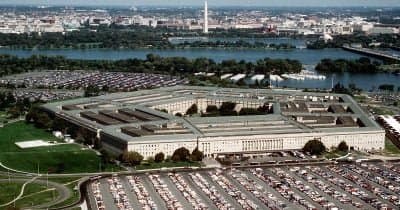
Elbridge Colby, the Pentagon's undersecretary for policy, remains unable to secure an invitation to Beijing. That single fact speaks volumes about where US-China relations actually stand right now, beneath all the diplomatic pleasantries and official statements about "dialogue channels."
The snub isn't random. Beijing has made it clear that Colby, one of America's most influential voices on military strategy in the Pacific, isn't welcome in the capital at this moment. The immediate trigger: a $14 billion arms package for Taiwan that Washington approved despite Chinese objections. But the real issue runs much deeper.
When access becomes a weapon
Diplomatic invitations are rarely just about courtesy. They're signals. When China blocks a senior Pentagon official from visiting, it's communicating something specific to Washington and to markets watching the situation unfold. The message: we can make things uncomfortable. The subtext: change course on Taiwan, or don't expect normal military-to-military contact.
This kind of use through restricted access reflects a broader pattern in US-China competition. Both sides use invitations, meetings, and official visits as bargaining chips. Beijing's decision to keep Colby out suggests they're not interested in smoothing things over with Washington on the current terms. Military communications between the two powers remain strained, and that gap creates genuine risks when tensions flare.
What this means for Xi's American plans
Markets are already pricing in the consequences. Prediction markets now assign lower odds to Xi Jinping visiting the United States before 2027. That's the real impact of Colby's blocked trip. A visit from China's leader would signal a major thaw in relations. No invitation to the Pentagon's policy chief suggests we're nowhere near that point.
The Taiwan arms package sits at the center of this standoff. Washington sees it as a commitment to a critical ally. Beijing sees it as interference in internal affairs. Neither side is budging. Until one of them signals willingness to move, expect more of these diplomatic cold shoulders. Any sudden change an unexpected invitation, a breakthrough in military communications, a shift on Taiwan policy would be watched obsessively by traders and analysts looking for signs of a real warming. For now, the doors in Beijing stay closed.
This article is informational only and does not constitute financial or investment advice. Geopolitical developments can affect market sentiment and asset valuations, but past diplomatic outcomes don't predict future ones.