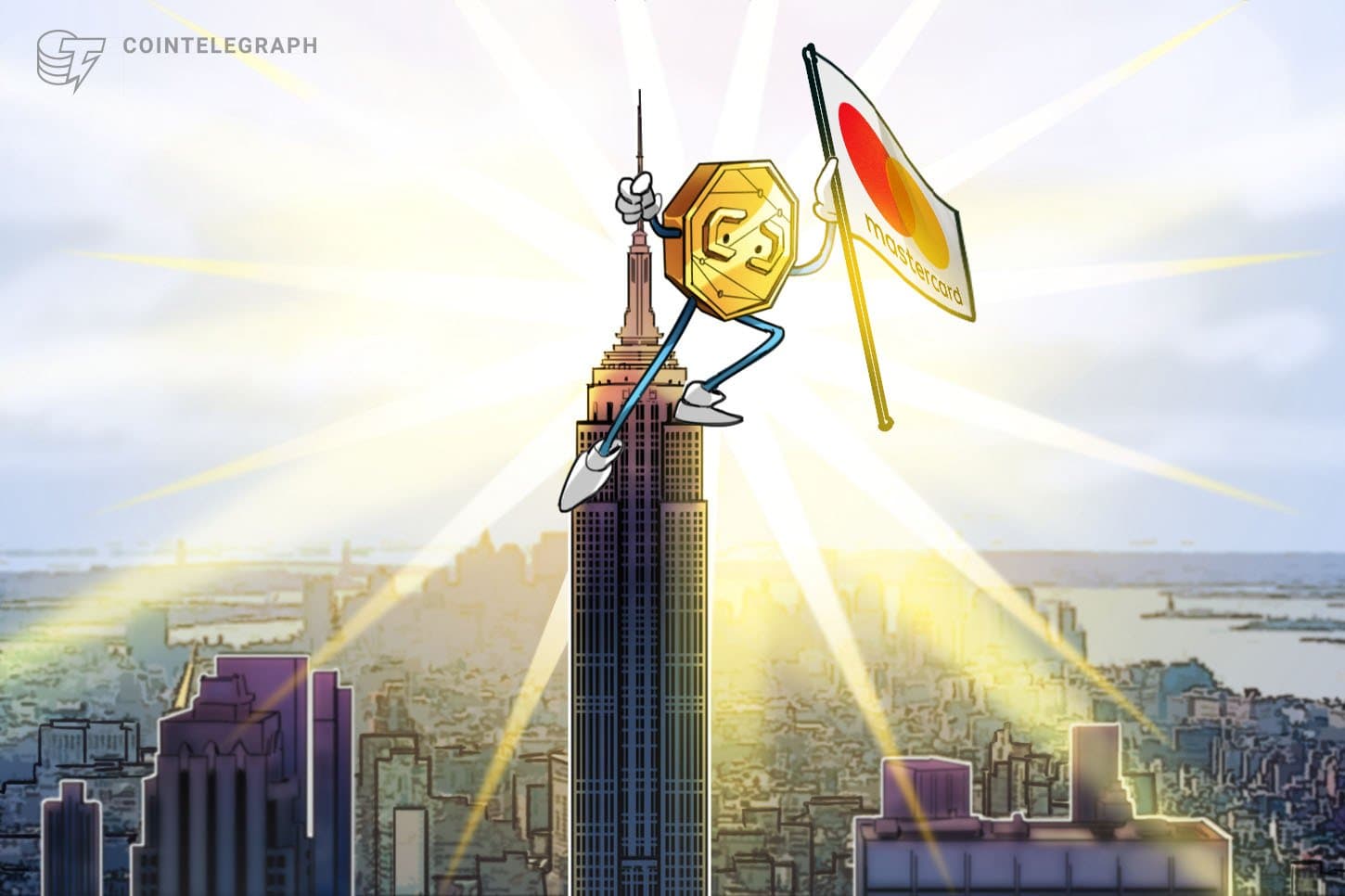
Mastercard is working with Borderless to solve one of crypto's messiest problems: knowing who you're actually sending money to when stablecoins cross international lines. The two companies are testing shared identity verification through Mastercard's Crypto Credential framework, aiming to inject real trust into what has become the wild west of borderless payments.
The collaboration matters because stablecoin transfers today operate in a grey zone. You can send USDC or other dollar-pegged tokens anywhere without traditional banking checks. Fast, sure. But also ripe for fraud, sanctions evasion, and the kind of compliance headaches that make regulators nervous. Borderless handles the rails for stablecoin settlement, while Mastercard brings the payment infrastructure and credential expertise most banks already know how to work with.
What they're actually testing is straightforward in concept but complex to execute: both parties in a transaction confirm each other's identity before coins move. No more anonymous wallets sending money to anonymous wallets. The Crypto Credential framework acts as the backbone, letting financial institutions and payment networks verify users without forcing everyone to adopt some new proprietary standard.
This feels less like blockchain revolution and more like banks trying to keep stablecoins useful without losing regulatory approval. Circle's Arc mainnet also brings institutional validators like BlackRock and Visa into the stablecoin settlement game, signaling that the biggest payment and finance players aren't content to let crypto exist in a lawless zone anymore.
Whether shared identity checks actually take off depends on adoption speed. If Mastercard and major banks start requiring them, it becomes the standard. If it stays a boutique option, users with real reasons to avoid scrutiny will find other paths. Either way, the infrastructure for compliance in cross-border stablecoins is getting built right now, and institutions like Mastercard are making sure they're not left out when it does.
This article is informational only and does not constitute financial or investment advice. Always conduct your own research before engaging with any financial products or services.