Israeli warplanes hit southern Lebanon early this week, triggering the first civilian evacuation warning since mid-July. The strikes came without prior announcement, catching observers off guard after a relative lull in cross-border operations. Hezbollah positions in the region bore the brunt of the bombardment, though exact casualty figures remain unclear.
The evacuation order itself carries weight. When Israel issues such warnings, it typically precedes sustained military action rather than isolated incidents. Betting markets are already repricing the odds of an Israeli pullback from positions north of the Litani River, the de facto border separating the two countries. Current odds suggest such a withdrawal by year-end has grown less likely, down from earlier assessments.
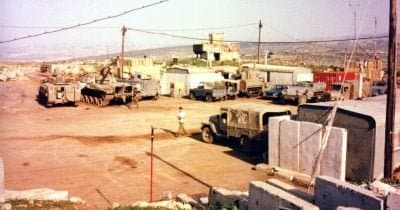
On the ground, the pattern looks familiar. Israel maintains a military presence deep inside Lebanese territory, technically under a ceasefire agreement that exists more on paper than in practice. Hezbollah regularly tests the boundaries with rocket fire and drone operations. Israel responds with airstrikes. Both sides claim restraint while preparing for escalation. This cycle has repeated dozens of times over the past eighteen months, each cycle slightly more intense than the last.
What happens next depends largely on Netanyahu's calculus. If he signals plans to hold current positions indefinitely, expect more tit-for-tat exchanges. A withdrawal announcement would shock markets and likely trigger fresh diplomatic moves from the UN. Hezbollah's response will matter too, though the militant group rarely backs down when Israel pushes forward.
The broader picture remains murky. International pressure for a permanent ceasefire exists but lacks teeth. Regional powers watch from the sidelines, calculating their own interests. Meanwhile, civilians in southern Lebanon brace for uncertainty, never quite sure whether tomorrow brings a quiet day or another round of sirens and shelters.
This material is informational only and should not be construed as financial or investment advice. Market predictions around geopolitical events carry significant uncertainty.