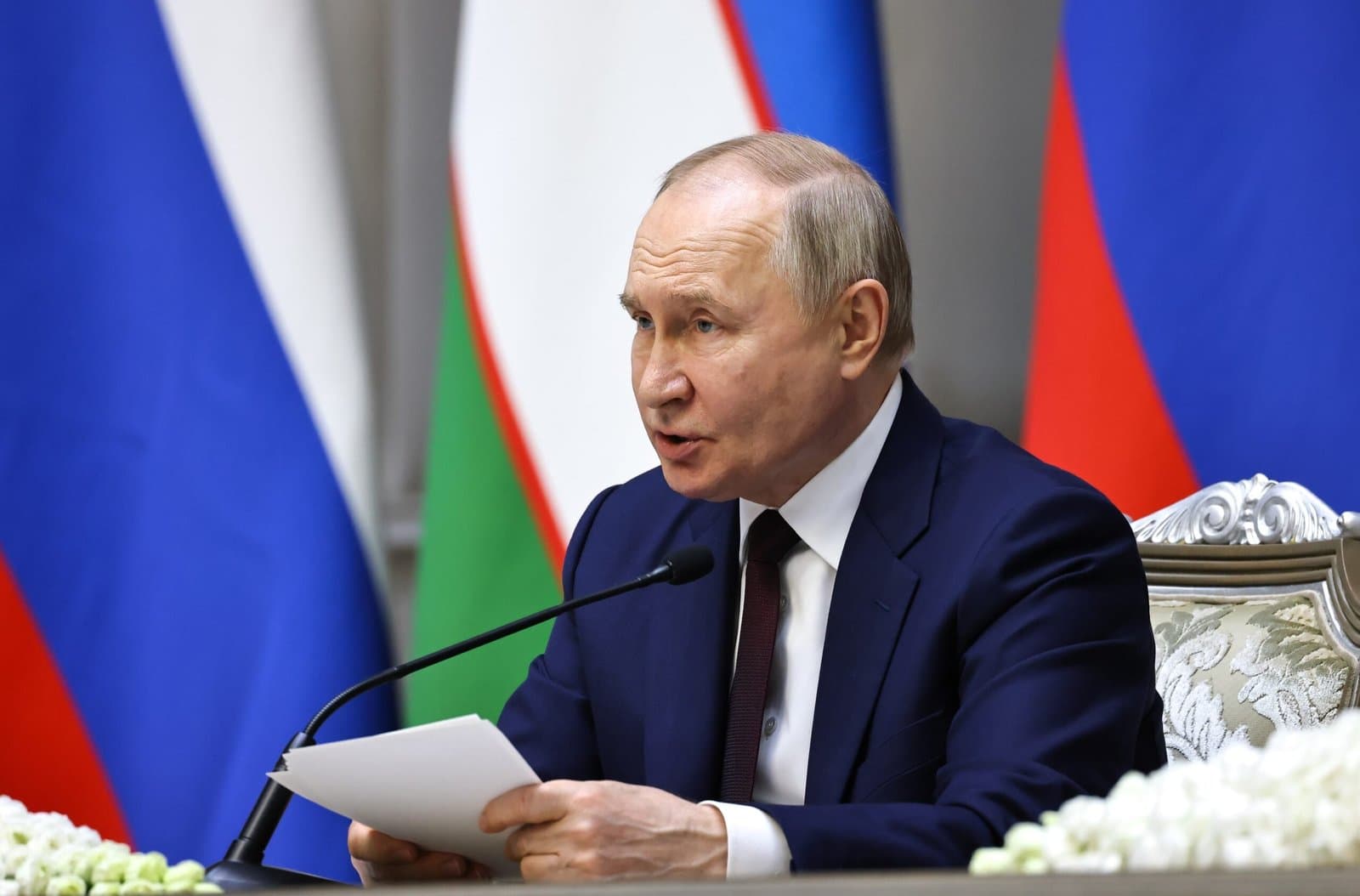
Russia's got a crypto market now. President Vladimir Putin signed the legislation that makes it official, creating the country's first full framework for digital assets starting September 1, 2026. Exchanges, brokers, and custody providers will operate under the Bank of Russia's watchful eye, and everyone involved has to register and meet capital requirements before they can touch customer money.
Here's the catch for regular investors. Anyone without "qualified" status faces an annual spending cap of 300,000 rubles, roughly $3,800, per licensed intermediary. Before they can even start trading, they've got to pass a knowledge test. Meanwhile, qualified investors sidestep both the limit and the exam. The licensing period runs through July 2027, and banks get orders to watch for transactions with unlicensed providers and block them if needed.
Mining gets the green light. Registered companies can operate freely, while individuals can keep mining as long as they stay below the government's energy consumption thresholds. The law acknowledges mining as a legitimate economic activity, which is a significant shift for Russia.
The payment ban stays
One thing hasn't budged. Crypto can't be used to buy a coffee or pay rent inside Russia, full stop. The 2022 payment ban remains locked in, and the legislation even tightens the screws on advertising that pitches cryptocurrency as a domestic payment tool. So Russia's building a regulated trading and investment ecosystem while keeping digital currencies out of everyday commerce. It's a peculiar split, but that's the deal on the table when the law kicks in next year.
This piece is informational and not financial advice. Regulatory frameworks can change, and crypto markets carry inherent risks.