Prediction markets already had the signal before most headlines did. The odds of a Houthi military strike against Israel on July 31 jumped from 7% to 9.5% in a single week, and now we know why traders were repricing: four sources cited by financialjuice say Iran sent Revolutionary Guard commanders and missile-related equipment to Yemen's Houthi movement.
This isn't just logistics. IRGC commanders on the ground means direct operational involvement, not remote advice. Tehran is reportedly helping the Houthis upgrade their missile and drone capabilities at a time when Iran is still under an international arms embargo, which makes the move a deliberate provocation on multiple fronts simultaneously.
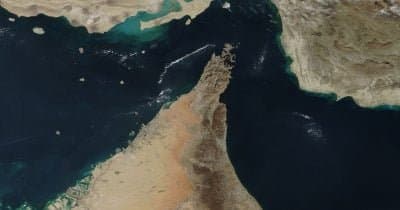
The Red Sea angle matters here. Houthi attacks on shipping have already rattled energy markets, and any meaningful boost to their strike range or precision changes the calculus for insurers, tanker operators and anyone routing cargo through the strait. When Houthi strikes on Saudi tankers pushed Brent past $98 earlier this year, crypto got dragged down too, which shows how quickly this regional tension bleeds into broader markets.
Iran's play here fits a familiar pattern: avoid direct confrontation while keeping pressure on multiple adversaries through proxies. The Houthis give Tehran reach into the Red Sea, use over Saudi Arabia and a persistent threat to Israeli shipping and territory, all without a single Iranian soldier officially crossing a border. What's changed is the level of commitment. Sending commanders, not just weapons, signals Tehran wants results, not just noise.
Watch statements from Houthi military spokesperson Yahya Saree and IRGC officials over the coming days. Any public acknowledgment of new capabilities, or a fresh strike attempt, would confirm the intelligence. Diplomatic channels between Washington and Tehran and any Israeli response will be the next pressure points to track.