Iranian Foreign Minister Abbas Araghchi and his Iraqi counterpart Fuad Hussein signed the first-ever bilateral road cargo transport deal between their two countries on July 23, formalizing a logistics corridor that has so far operated without any governing framework. The announcement came without fanfare, but prediction markets picked it up immediately.
What the numbers show
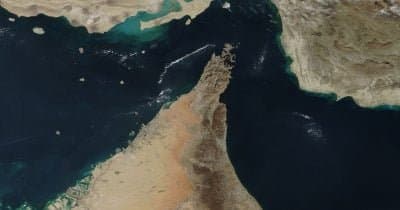
The contract market for "Strait of Hormuz traffic returns to normal by August 31" slipped to a 13.5% probability of a YES outcome, down from 14% the day before. Thirty-nine days remain until the resolution date. That one-point drop is small, but the direction is telling: traders read the road deal as a soft diplomatic gesture, not a concrete step toward reopening the waterway. The agreement covers land freight only and contains no language on the Strait's status.
Context matters here. US strikes along the Iran-Iraq border earlier this month killed two people while vessels burned in the Strait, and LNG buyers have already been pressing Qatar and the UAE for cheaper supply contracts as a hedge against continued disruption. A trucking agreement, however symbolically useful, sits several layers below what would actually shift those shipping odds.
What traders are watching
For the YES side to recover ground, market participants say they need one of a few concrete triggers: an official Iranian statement signaling a diplomatic thaw, a verifiable de-escalation in military posture around the Strait, or meaningful movement in US-Iran talks. Absent any of that, the road cargo deal functions more as background noise than a catalyst.
On the NO side, any fresh military incident or a public reaffirmation by Tehran that the Strait remains under its use would push the probability lower still. With the resolution window closing fast, the margin for a late reversal is shrinking by the day.
This article is for informational purposes only and does not constitute financial or investment advice.