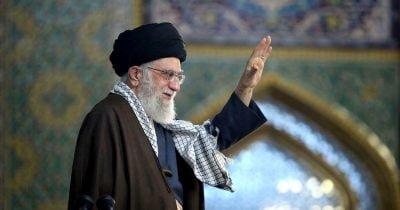
The recent killing of Ayatollah Ali Khamenei, Iran's Supreme Leader, in U.S.-Israeli airstrikes has sent shockwaves through both national and international spheres. In the aftermath of his death, mourners have gathered in Qom to honor his 36 years of leadership, a period that defined Iran's socio-political landscape. This moment of grief is not just a memorial but highlights the potential for significant change in Iran's governance.
Why This Matters for Investors and Analysts
The death of such a pivotal figure as Khamenei raises the stakes for the geopolitical climate in the Middle East, particularly impacting Iran's relations with Western powers. The airstrikes have intensified tensions, leading to heightened market volatility. Investors are closely examining the implications of these events, especially regarding leadership transitions that may alter Iran's domestic and foreign policies.
- Khamenei's death marks the end of an era, whereby his leadership was integral in shaping Iran's defensive and diplomatic strategies.
- Market indicators suggest an increased probability of a leadership change by the end of December.
- National unity witnessed during the mourning period may reflect a critical juncture for political stability in the region.
The potential successors of Khamenei are under scrutiny, particularly within the Assembly of Experts, which holds the authority to appoint the new Supreme Leader. Any shift in leadership can have cascading effects on the Iranian economy, international relations, and, importantly, investor sentiment.
Looking Ahead: What to Anticipate
As the situation unfolds, market participants should focus on developments from the Assembly regarding leadership appointments. Analysts are particularly interested in the public presence and statements from Mojtaba Khamenei, who is viewed as a likely successor, as these could significantly sway market expectations. Additionally, observers should remain vigilant to broader geopolitical dynamics involving the U.S., Israel, and Iran, as these interactions might reshape the regional landscape and influence investment decisions.
This material is for informational purposes only and does not constitute financial advice.