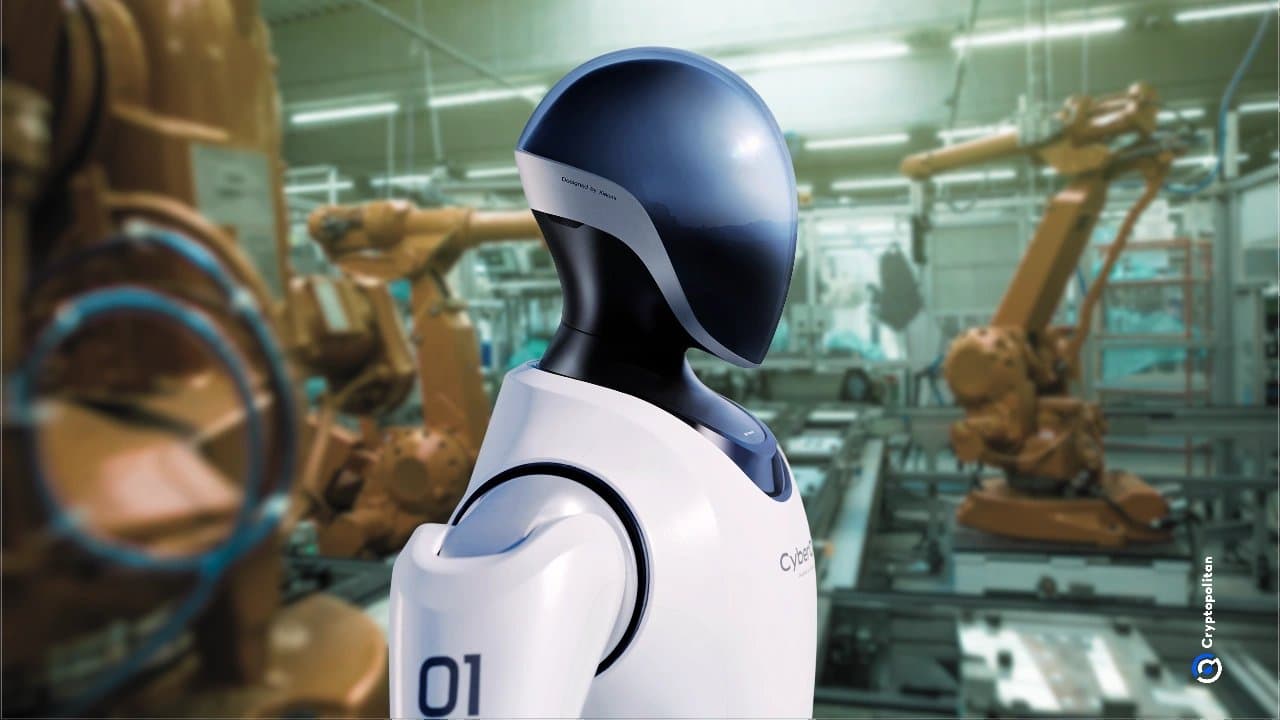
Xiaomi's humanoid robots have achieved a remarkable 98% success rate in factory tasks, nearing the efficiency of human workers. After four months of rigorous testing within their car production facility, the robots have demonstrated their capability to perform essential tasks autonomously, such as picking screw nuts and fastening them onto car floors.
Initially, these robots managed a success rate of 90.2% when tasked with assembly work. However, after fine-tuning their operations, they have improved significantly, now just 1% below human performance levels. This advancement not only shows the rapid progress in robotics but also highlights the competitive landscape within the automotive sector.
Xiaomi's Expansion Plans
According to founder Lei Jun, Xiaomi plans to deploy a substantial number of these humanoid robots across its factories within the next five years. This move aligns with trends in the industry where Chinese automakers are increasingly venturing into robotics. For example, XPeng is set to launch its own humanoid robots globally next year as part of its strategy to become a 'physical AI company.' Their plan includes mass-producing the IRON humanoid robot, starting with 1,000 units by the end of 2026 and scaling up to over one million by decade's end.
Implications for the Industry
The implications of these advancements are significant. As companies like Xiaomi and XPeng adopt robotics, we may see a shift in the manufacturing landscape, with more reliance on automated systems for repetitive tasks. With robots running at high efficiency, labor costs could decrease, potentially reshaping the workforce dynamics. The success of these humanoids may encourage other sectors to explore similar technological integrations, marking a broader transition to automation.
As these developments unfold, it will be essential for investors to watch how traditional labor markets respond to this influx of robotic efficiency. The potential for reduced labor costs may attract more investments in automation technologies, further catalyzing innovation within the sector.
This article is for informational purposes only and does not constitute financial advice.