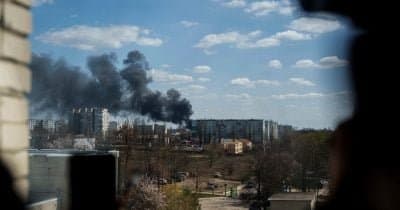
Recent reports indicate that former U.S. President Donald Trump is contemplating the expansion of military operations against Iran, with a focus on key sites like the island of Khark and various underground facilities. This consideration follows a series of air and missile strikes aimed at crippling Iran's military capabilities, primarily to mitigate threats to commercial shipping in the crucial Strait of Hormuz.
The potential escalation of military activities could involve limited ground operations and possibly direct control over energy resources, which the Pentagon perceives as a major strategic maneuver. Such actions would not only heighten U.S. involvement in Iran but also reflect a broader conflict involving the U.S. and Israel in their ongoing efforts to counter Iran’s regional influence.
Shifts in Military Strategy
Trump's renewed focus on military actions suggests a significant pivot in U.S. strategy towards Iran. This has already influenced markets, with the likelihood of U.S. military intervention rising from 18% to 21.5% in just one week. Investors are beginning to adjust their expectations, recognizing that military engagements could have far-reaching implications for regional stability and global energy markets.
The shifting odds indicate that both traders and analysts are responding to the potential for increased hostilities. The implications of such military actions could lead to volatility in oil prices, as tensions in the Middle East often correlate with fluctuations in energy markets.
Future Developments to Monitor
As this situation unfolds, key indicators to watch will include further statements from Trump and Pentagon officials regarding troop deployments or military strategies. Furthermore, any diplomatic moves or negotiations involving Iran, Israel, and international mediators could significantly alter the course of action. Low oil reserves and related market reactions could serve as barometers for the potential escalation.
The international community will be closely observing the developments, as they could reshape existing power dynamics in the region and influence global economic conditions, particularly in the energy sector.
This article is for informational purposes only and should not be taken as financial advice.