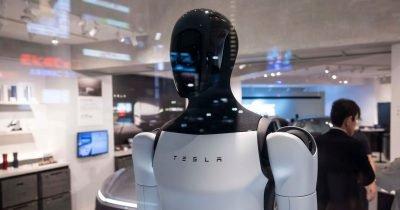
Tesla has initiated a significant transformation at its Fremont factory, dismantling production lines for the Model S and Model X, which facilitated the company's ascent as a credible luxury automotive maker. The space is being repurposed for the manufacturing of the Optimus humanoid robots, with an ambitious target of producing one million units annually. This move not only symbolizes a daring pivot for Tesla but also raises pertinent questions about the implications for the company and its investors.
Transitioning from Cars to Robotics
The cessation of the Model S and Model X production after 14 and 11 years, respectively, represents more than just an end of an era; it signifies Tesla's transition into uncharted territories of robotics. The early production phase is set to commence between late July and August 2026, although CEO Elon Musk has moderated expectations regarding an immediate ramp-up in output. The distinct challenge lies in manufacturing a completely new product type with supply chains that have yet to be rigorously tested at high volumes.
Investors: Key Indicators to Monitor
For investors, the upcoming months will offer critical insights into the viability of Tesla's optimistic plans. The initial focus should be on whether the company meets its timeline for starting production. The other major factor is the unit economics surrounding the Optimus robots; specifics regarding pricing and profit margins remain undisclosed. Tesla's approach to employing these robots internally before they are available for external sales suggests that initial output may not immediately contribute to revenue. Additionally, the planned second production line at Giga Texas launches in summer 2027, further emphasizes Tesla’s commitment to scaling this venture. Success at Fremont, even at modest levels, would be a confidence booster as the company announces bold ambitions for its manufacturing future.
This analysis is informational and does not constitute financial advice.