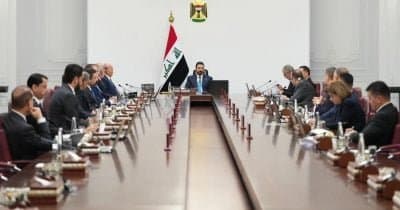
In the wake of Iraqi Prime Minister Ali al-Zaidi's meeting with U.S. President Donald Trump on July 14, 2026, a notable shift in Iraq's diplomatic alignment becomes evident. This meeting highlights Iraq's pivot towards U.S.-aligned policies and away from Iranian influence, particularly significant against the backdrop of U.S. military actions targeting Iranian nuclear capacities.
Zaidi's commitment to disarm Iranian-backed militias by the end of September signals a decisive step that may reshape power balances in the Middle East. The implications of these domestic policy changes could extend far beyond Iraq, potentially influencing regional stability as U.S.-Iran negotiations unfold.
Current market perception hints at a reduced likelihood of securing Iranian reconstruction funding in any potential U.S.-Iran deal planned for 2026. This potential outcome shows the strategic importance of Iraq's realignment, driving home the significance of its energy agreements with the U.S. to diminish dependency on Tehran. Consequently, any shifts in this trajectory warrant close observation, as they may ultimately dictate not only Iraq's future but also the broader geopolitical landscape.