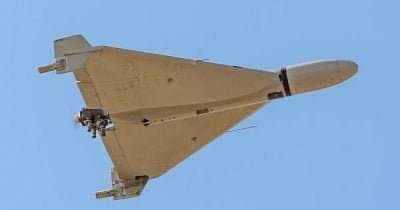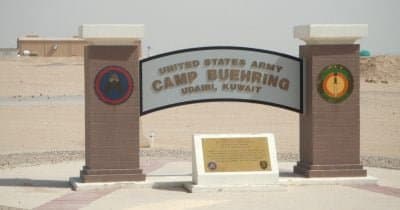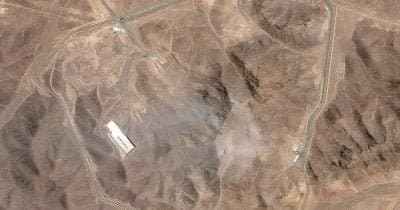
The recent declaration from Iran's Khatam al-Anbiya Central Headquarters that the United States has threatened to strike its nuclear facilities marks a significant intensification in the ongoing 2026 conflict between the two nations. This announcement signals a dangerous escalation, with Iran vowing retaliation targeting US assets should any attacks occur against its nuclear infrastructure.
Escalation and Its Implications for Diplomacy and Markets
The targeting of nuclear sites represents a critical pivot point. Unlike prior military clashes, striking such strategic facilities risks destabilizing the fragile regional balance and complicates efforts toward a diplomatic solution. With previous ceasefires having collapsed, this development diminishes the prospects for including Iran Reconstruction Funding in any US-Iran deal in 2026, as market pricing already reflects.
The heightened tensions could deter investors and international actors from engaging in reconstruction or economic cooperation, fearing prolonged conflict or unpredictable retaliation. plus the focus on nuclear infrastructure elevates geopolitical risk, potentially spurring volatility in global markets sensitive to Middle East developments.
Observers should watch for official statements from both Washington and Tehran, especially regarding military strategies or shifts in diplomatic posture. The involvement of mediators like Qatar and Pakistan might still influence negotiations, but their role faces greater challenges amid these threats.
The situation shows how military actions directly shape political and economic outcomes. For market participants, understanding these evolving risks is key as they affect not only regional stability but also broader investment climates.
Material is informational and not financial advice.