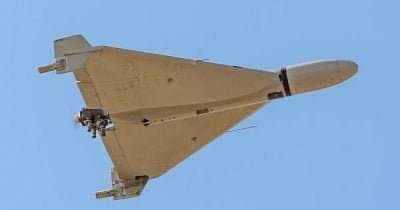
Kuwait's military has actively intercepted multiple Iranian drones, highlighting a sharp escalation in hostilities within the Iran-Gulf region. These defensive maneuvers shows the intensifying pressure Iran exerts on Gulf airspace, putting Kuwait at the frontline of renewed military tensions. The persistent drone incursions follow a pattern observed since the latest ceasefire, suggesting that Iran continues to apply asymmetric military tactics rather than pursuing full-scale open conflict.
This ongoing aerial activity carries substantial implications for regional stability and market perceptions. Data from prediction markets show a 69.5% probability of Iranian military action against a Gulf state around July 22, reflecting investor concerns about potential flare-ups. The drone interceptions serve as tangible evidence that such risks are not hypothetical but operational realities influencing market dynamics.
Impact on Market and Geopolitics
The increased frequency of Iranian drone activity directly affects risk premiums in sectors tied to Gulf security, including energy and commodity markets, where supply disruptions can rapidly cascade into global price shocks. Investors and firms exposed to this geography should reconsider risk assessments, given that these military developments are unlikely to dissipate swiftly.
In addition, Iran’s use of drones rather than traditional missile strikes signals a shift toward asymmetric warfare strategies, complicating defense and intelligence operations in the region. This form of engagement raises the possibility of prolonged conflict scenarios without clear resolution, which can depress regional investment and trading volumes over time.
Monitoring diplomatic reactions and subsequent military responses remains critical. Even minor escalations could push markets to price in a higher probability of conflict, influencing everything from oil futures to geopolitical risk models. As tensions rise, so does the urgency for regional actors and international stakeholders to manage conflict through diplomatic channels.
This material is informational and not financial advice.