"Crypto is showing resilience, but the real test is yet ahead," a trader noted after Bitcoin slipped briefly below 100,000 dollars following US airstrikes on Iran’s Qeshm Island. Between July 13 and 16, 2026, US military targeted Islamic Revolutionary Guard Corps (IRGC) installations on this strategic island near the Strait of Hormuz, causing explosions near one of the globe’s most critical oil transit routes. While Bitcoin's dip hovered around 2.5%, recovering swiftly above 102,000 dollars, the broader oil market experienced heightened volatility, reflecting the geopolitical friction's immediate economic impact.
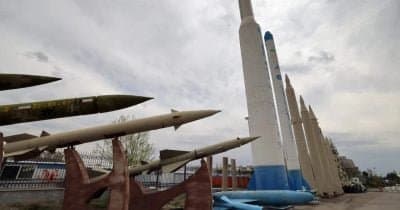
The location of Qeshm Island at the mouth of the Strait of Hormuz is no coincidence. This waterway channels about one-fifth of seaborne oil worldwide, meaning any military activity risks disrupting supply chains and inflating energy prices. The targeted facilities reportedly included underground missile sites, a high-value military asset the US aimed to degrade amid claims that Iranian forces threatened commercial shipping lanes. Earlier coverage highlighted in our analysis of Middle East conflict risks on oil shows that even limited escalation here could ripple widely across commodities markets and inflation-sensitive sectors.
Despite the military escalation, crypto markets showed remarkable composure, suggesting a degree of geopolitical immunity investors have sought since Bitcoin's inception. However, the US Treasury’s move to freeze over 130 million dollars in crypto assets tied to Iranian central bank wallets signals a new frontier: economic warfare extended into digital finance. These sanctions predominantly impacted stablecoins and Bitcoin holdings, emphasizing regulatory scrutiny intensifying around crypto’s role in sanctions evasion. Exchanges and custodians dealing with counterparties from sanctioned jurisdictions now face heightened operational and legal risks, making compliance infrastructure a top priority.
Bitcoin's ability to rebound quickly indicates market confidence in its resilience, but questions remain whether the current price fully incorporates the sustained tail risks of conflict near the Strait of Hormuz. Should tensions escalate, energy market shocks could feed back into cryptos in less predictable ways. Traders must weigh this geopolitical undercurrent alongside broader macroeconomic factors. This episode underlines how intertwined global security, energy flows, and digital asset markets have become without clear evidence that crypto can act as a complete safe haven under such crises.
This article provides informational content and does not constitute financial advice.