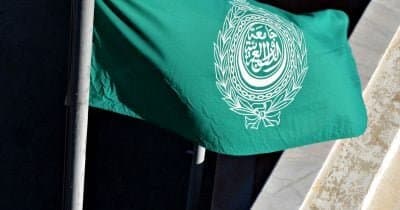
Arab League Secretary-General Nabil Fahmy publicly denounced Iran’s missile and drone attacks targeting Bahrain, Kuwait, Jordan, Qatar, and Oman. These strikes were Iran’s retaliation against preceding US airstrikes on Iranian cities, marking a sharp escalation after a ceasefire collapsed earlier in July 2026. Fahmy’s condemnation signals deepening regional apprehension about being engulfed in the conflict, which involves the US, Israel, and Iran.
Escalation Impact on Diplomatic Outcomes
The timing of these attacks is critical: they occur as negotiations for a potential US-Iran deal are increasingly fragile. Market data reflects this instability; odds for a diplomatic agreement dropping from 32% down to 25.5% in specific prediction markets show investor skepticism growing. Fahmy’s statement, representing a unified Arab stance against the use of Gulf states as attack platforms, sends a clear message that the region resists further escalation.
Heightened tensions threaten to derail diplomatic efforts that had a narrow window following the ceasefire. This has direct market implications around Middle Eastern stability, affecting global oil supplies and geopolitical risk premiums, which in turn ripple into crypto markets sensitive to macro shocks and regional conflicts.
What to Monitor Going Forward
The strategic calculus hinges on several variables:
- Actions by US President Donald Trump and Iranian Foreign Minister Javad Zarif, whose negotiations remain key for the deal’s fate.
- The reopening status of the Strait of Hormuz, a vital chokepoint for global energy flows.
- Potential new military engagements that could provoke broader regional warfare.
Each of these factors could tip prediction markets to reflect either optimism or deepened risk aversion. Market participants and analysts alike are watching these developments as indicators for whether diplomatic breakthroughs remain possible or if conflict will spiral further.
Recent Gulf attacks shifting negotiation odds provide a close precedent to understand how regional skirmishes affect broader geopolitical and financial landscapes.
This material is informational and not a financial recommendation.