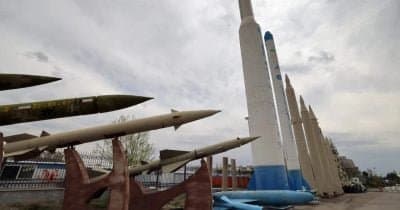
Jordan's military forces intercepted three Iranian missiles, while a fourth missile landed in a remote area, triggering air raid sirens across the country. This event is part of an escalating sequence in the ongoing US-Israel-Iran conflict, highlighted by recent lethal strikes including the killing of two US soldiers at Muwaffaq Salti Air Base in Jordan. Such developments represent a tangible increase in hostilities that directly impact air safety and regional stability. Market data now reflects a rising probability from 30% to 34.5% within 24 hours that Iran will respond by closing its airspace completely by July 31. This potential move is becoming increasingly plausible given the pattern of missile exchanges and rising military tension.
Details of the Missile Interception and Immediate Aftermath
The interception took place amid a backdrop of continued missile and drone attacks targeting US-allied states. Jordan's success in neutralizing three Iranian missiles underlines the increasing militarization of this conflict zone. The missed interception of one missile in a remote area, however, hints at ongoing vulnerabilities. These airspace confrontations occur just one day after US personnel suffered fatalities on Jordanian soil, amplifying the severity of the current crisis. The strategic calculation behind Iran’s missile launches appears to be an escalation in direct aggression towards US-aligned interests, potentially forcing more aggressive defensive measures from neighboring countries.
Market and Geopolitical Reactions: Airspace Closure Risk Intensifies
Market analysts are closely watching announcements from the Civil Aviation Organization of Iran (CAOI) and Iranian State Television (IRIB) for any indication of airspace status changes. Official notices from CAOI would be a critical confirmation of a full closure, which would disrupt commercial and military aviation routes through the region. Concurrently, statements from US leadership, including President Donald Trump, could influence market sentiment towards de-escalation or further tension. The escalating odds of total airspace closure by July 31 shows the market's growing recognition of this risk. Given the 12 days remaining before this deadline, any further military actions or diplomatic developments could rapidly alter risk assessments and impact aviation operators, insurers, and investors exposed to regional geopolitical instability.
This material is informational and does not constitute financial advice.