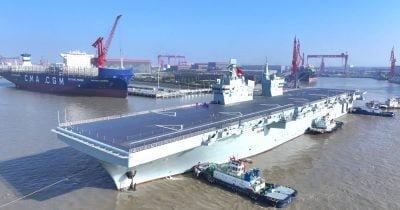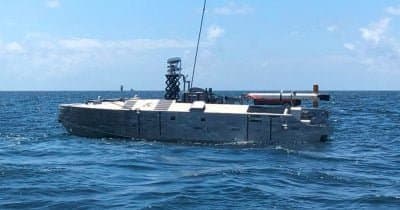
The United States is intensifying its military presence in response to escalating hostilities with Iran, deploying one-way attack sea drones in active operations. This move represents a significant tactical escalation aimed at enhancing US Central Command’s (CENTCOM) operational capacity against Iranian threats to maritime security, particularly following recent attacks on oil tankers.
As tensions rise due to the collapse of the ceasefire agreement known as the Islamabad Memorandum, the situation is not just a matter of military strategy but carries broad implications for international shipping and global market stability. The US has reportedly targeted over 80 Iranian military facilities, while Iran has responded with attacks on US installations in Bahrain and has threatened a blockade of the Strait of Hormuz. This vital waterway is critical for oil transportation, underscoring the importance of maintaining navigation freedom in the region.
Market sentiments appear to reflect confidence in the US's military actions as a deterrent against Iranian disruptions, suggesting a reduced likelihood of Iranian successes in targeting shipping in the near term. However, with both nations engaged in active military campaigns, there's an evident risk of further confrontations that could destabilize the region further. The deployment of sea drones not only signifies a strategic expansion for the US military but also underscores a shift toward more technologically advanced warfare tactics. Such developments require close observation as they could reshape naval operations in contentious waters.
Monitoring Future Developments
As military actions unfold, stakeholders will be watching for communications from CENTCOM regarding future strategies and technology deployments. Moreover, any retaliatory measures from Iran, particularly those orchestrated by the Iranian Revolutionary Guard Corps (IRGC), could significantly impact the maritime landscape. The potential for announcements related to ceasefires or renewed diplomatic negotiations could alter market perceptions, impacting oil prices and shipping routes.
A persistent exchange of military actions may not only affect regional stability but could also have long-lasting consequences on global economic conditions. Investors and analysts alike will need to stay vigilant as these tensions develop, as the repercussions could be felt well beyond the immediate region.
This article is for informational purposes only and does not constitute financial advice.