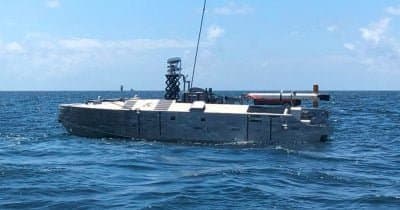
A recent incident involving a Russian soldier losing control of a helicopter cannon, resulting in him being flung into the air, underscores the chaotic conditions on the battlefield. This occurrence coincides with Ukraine’s ramped-up maritime drone campaign, which aims to disrupt Russian logistics and fuel supplies in the Sea of Azov. Reports indicate that Ukrainian forces have successfully targeted 105 Russian vessels in a week-long offensive, significantly impacting Russia's maritime operations and halting traffic through the Kerch Strait.
The implications of these events are profound. Market responses suggest that the likelihood of Russia capturing Sloviansk by December 31 has diminished, with current pricing reflecting skepticism regarding Russia's military capabilities amid persistent Ukrainian resistance. The 8% YES pricing indicates a growing belief that Ukraine's strategic use of unmanned systems is effectively undermining Russian objectives in the region.
As the situation evolves, observers should pay close attention to further developments in Ukraine’s maritime drone operations and their repercussions on Russian military logistics. Key outcomes in the Sea of Azov could significantly shape the market's perception of Russia’s ability to fulfill its aims in Eastern Ukraine. Additionally, any shifts in the ceasefire agreement markets may reveal changes in diplomatic relations between Russia and Ukraine, potentially influencing military strategies and overall outcomes.
This material is for informational purposes only and should not be considered as financial advice.