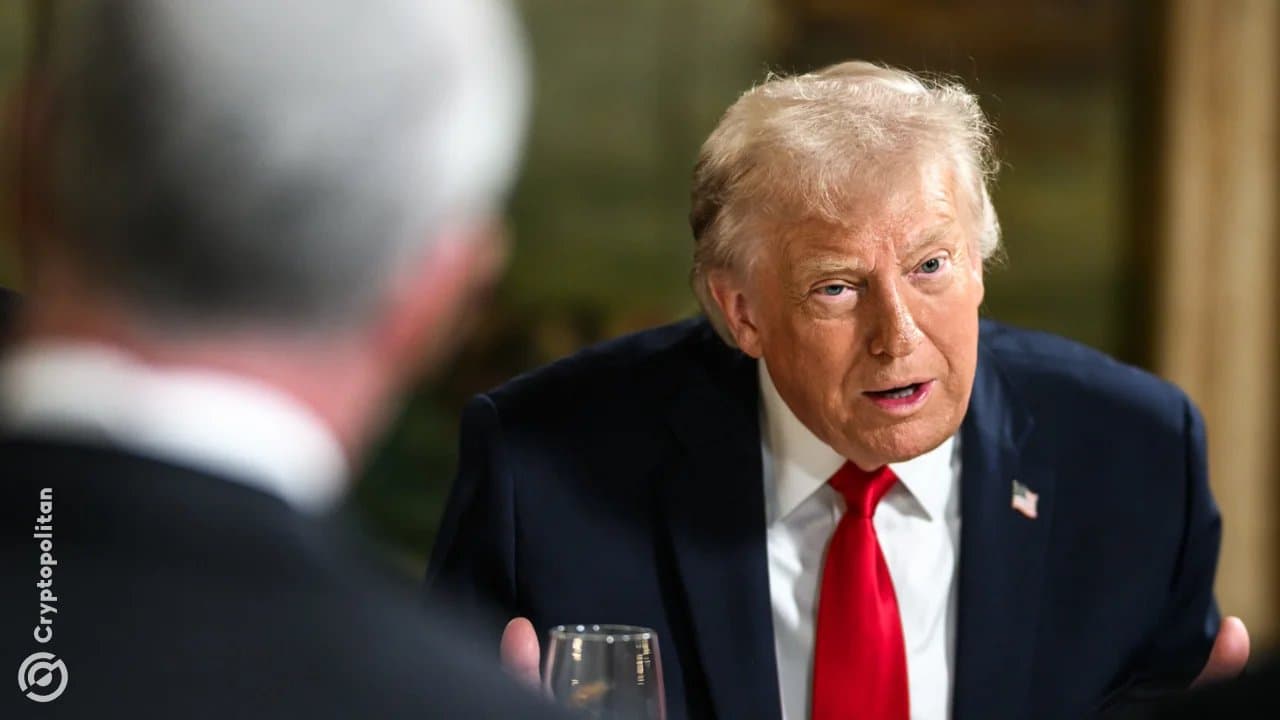
In a recent statement, President Donald Trump urged the Senate to pass the Digital Asset Market Clarity Act, linking it with the legacy of the late Senator Lindsey Graham. This move, while seemingly a tribute, reflects a strategic push to establish a comprehensive regulatory framework for cryptocurrencies amidst increasing competition from global players like China.
Trump's assertion that China seeks to dominate the crypto landscape brings forth a significant concern for U.S. lawmakers. The geopolitical angle adds urgency to the passage of this legislation, suggesting that the stakes are not just economic but also national security-related. His post on Truth Social emphasized the need for the U.S. to retain leadership in the digital asset space, highlighting a narrative that positions cryptocurrency regulation as a battleground against foreign influence.
Current Status of the Clarity Act
The Digital Asset Market Clarity Act has faced hurdles, particularly the challenge of overcoming a filibuster, which requires 60 votes in the Senate. With the recent passing of Graham, the Republican majority has dwindled to 52-47, leaving little room for maneuverability. Moreover, the absence of an ethics provision related to the president’s and his family's financial interests in crypto is a sticking point for Senate Democrats, who have expressed concerns about potential conflicts of interest.
The ongoing political dynamics could delay the bill further, especially with key stakeholders like Senator Elizabeth Warren emphasizing the need for amendments that would prevent high-ranking officials from profiting from cryptocurrency. This tension illustrates the broader struggle within Congress to balance regulatory clarity with ethical considerations, a debate that has far-reaching implications for the future of digital assets in the U.S.
Implications for Investors and the Market
The potential passage of the Clarity Act could set a precedent for how cryptocurrencies are regulated in the U.S., impacting both institutional and retail investors. The House version of the bill received considerable support, passing 294-134, indicating a significant interest in establishing a regulatory framework. However, the Senate's ability to act within its limited timeframe remains uncertain, especially with the August recess approaching.
Should the bill pass without the ethical amendments sought by some senators, it may lead to increased scrutiny and volatility in the crypto market. Conversely, a clear regulatory environment could enhance investor confidence, encouraging more participation in digital assets. As we look ahead, the next few weeks will be critical in determining the direction of U.S. cryptocurrency policy and its implications for global markets.
This article is informational and not financial advice.