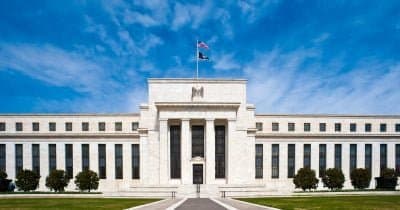
Gold prices dropped to around $4,017 per ounce as of July 19, 2026, reflecting a complex interplay between escalating US-Iran geopolitical tensions and shifting expectations for Federal Reserve monetary policy. Despite the conflict’s impact on energy supplies, which typically boosts inflation-sensitive assets like gold, the market’s growing anticipation of a Fed interest rate hike to combat rising inflation has pressured gold downward.
The Consumer Price Index (CPI) data reveals inflationary strains with a 0.9% jump in March, mainly driven by a 21.2% spike in gasoline prices. This surge in energy costs, coupled with broader inflation expectations climbing above 3%, has altered the market’s calculus. Instead of pricing in potential rate cuts that would favor gold’s appeal as an inflation hedge, traders are now bracing for tighter monetary conditions. The Federal Reserve’s upcoming July 29 meeting is key. A decision to raise rates could further depress gold prices, undermining recent gains linked to geopolitical uncertainty.
This shift marks a significant change from earlier projections where gold was anticipated to reach $4,600 in July or even hit $15,000 by year’s end. Those scenarios now appear less likely given inflation’s evolving nature and the Fed’s proactive stance. Investors should keep a close eye on the US-Iran conflict, which continues to influence energy market volatility and inflation trends. Unexpected developments in these arenas, as well as surprise actions by central banks, could still swing gold prices abruptly.
The dynamics also connect with broader market risks, similar to how regional conflict probabilities influence asset classes. For deeper insights into how geopolitical factors impact market risk profiles, see analysis on regional risk probabilities.
This material is informational and not investment advice.