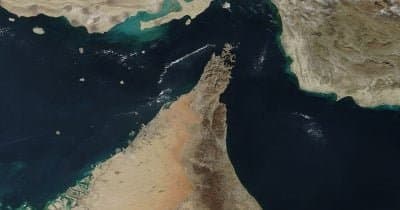
Iran has intensified its asymmetric warfare strategy in the Strait of Hormuz by deploying drones and decoys to strain U.S. military interceptor systems, according to recent reports. This approach aims to exhaust American defenses through repeated, low-cost attacks, complicating the U.S. effort to maintain control over this critical maritime chokepoint.
Strategic Implications of Iran’s Drone Usage
The deployment of drones and decoys serves as a force multiplier for Iran amid ongoing hostilities with the U.S. and Israel that have persisted since February 2026. By forcing the consumption of multiple interceptors per threat, Tehran imposes disproportionate costs on American defense assets. Despite substantial losses, Iran retains a large drone arsenal capable of sustained pressure, which increases uncertainty around maritime security in the Gulf region.
Markets have taken note. The likelihood of further Iranian military action against Gulf states is priced at a significant 68%, reflecting heightened geopolitical tensions. This dynamic influences regional energy security and global trade flows, as the Strait of Hormuz facilitates a large portion of oil shipments worldwide.
Future developments to watch include potential escalations involving Iranian Revolutionary Guard Corps activities and any disruptions to commercial shipping or infrastructure. also diplomatic maneuvers by Gulf states could alter the trajectory of this conflict. The period leading up to July 22, 2026, is critical, as prediction markets are highly sensitive to changes in military engagement probabilities.
How Iran’s Hold on Strait of Hormuz Shapes Global Energy Risks offers deeper insight into the consequences of sustained tension in this vital corridor.
This material is for informational purposes and should not be considered financial advice.