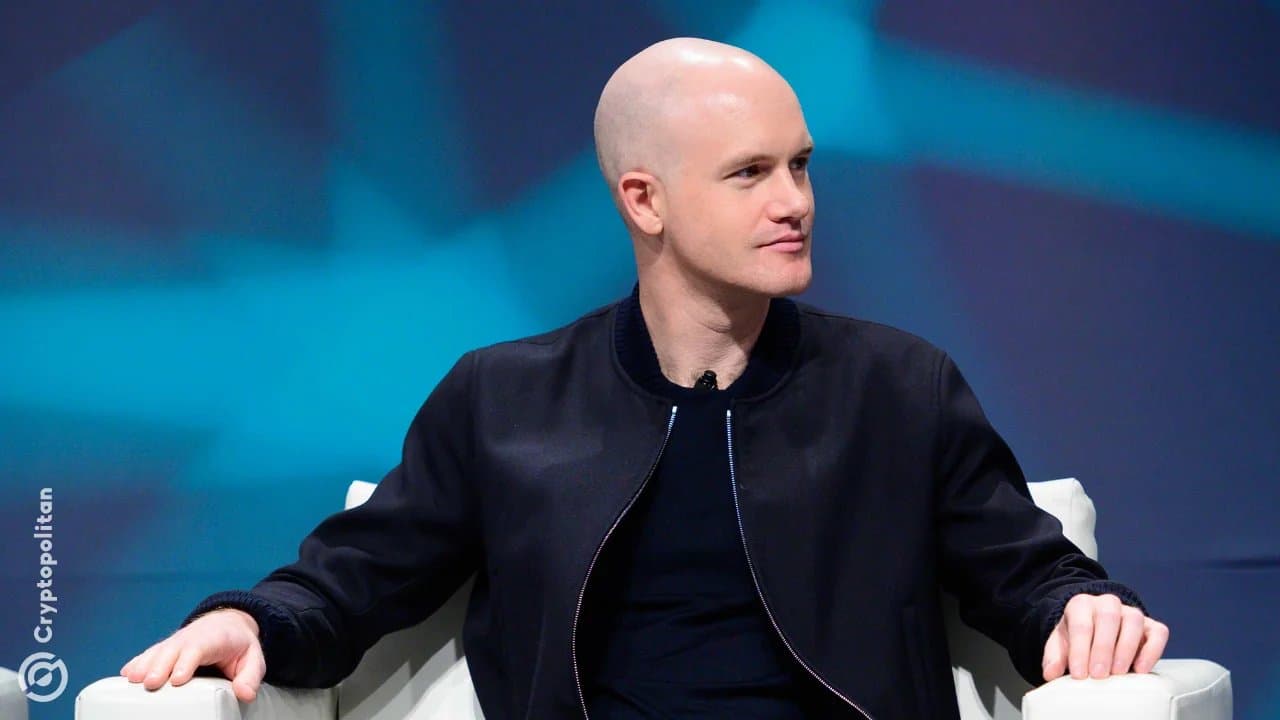
Brian Armstrong's recent social media actions reveal a striking disconnect between public disclaimers and trader behavior. On July 16, Armstrong swapped his profile picture on X from a CryptoPunk avatar to an image linked to $BRIAN, a memecoin native to Coinbase’s Base layer-2 network. This simple change sent the memecoin’s market cap soaring by nearly 3,000%, adding approximately $30 million and peaking at around $37 million. Yet, when Armstrong reverted his avatar back shortly after, $BRIAN’s value plunged between 85% and 93% within 24 hours, falling below $5 million. This episode exposes how much traders are watching Armstrong’s online presence for implicit trading signals despite his explicit disclaimers that his posts do not constitute endorsements.
Facts Behind the Volatility
Armstrong’s warning on July 20 reasserted that his social media posts, including profile picture changes, are not investment advice or endorsements. However, the market reaction to the $BRIAN meme token demonstrated the tangible influence his online persona wields over asset valuations in the crypto scene. neither Coinbase nor regulators raised alarms over this highly volatile episode. The rapid jump and crash of $BRIAN’s market cap purely tied to Armstrong’s avatar shifts illustrates an unusual degree of market sensitivity to perceived signals from influential figures. plus similar patterns emerged with 'Russell,' a token themed on Armstrong’s dog, which surged 240% following a single social media reaction from Elon Musk. These instances suggest meme tokens in Coinbase’s ecosystem remain highly speculative and vulnerable to social media dynamics.
Community Reaction and Market Implications
The trader community largely dismissed Armstrong’s clarifications, pressing for more explicit engagement or endorsement from the CEO. Armstrong’s retort questioning what constitutes commitment underscored the tension between leadership silence and market appetite for guidance. This dynamic highlights a broader issue in crypto markets: influential figures’ online actions can drive price swings irrespective of regulatory frameworks or official declarations. For investors, this shows a heightened risk environment where narrative and social sentiment may override fundamentals. The episode also raises questions about the regulatory oversight of such volatile memecoin markets and their intersection with platform executives’ conduct. This pattern aligns with broader themes seen in emerging crypto regulations, where social media influence challenges traditional compliance boundaries.
This material is informational and does not constitute financial advice.