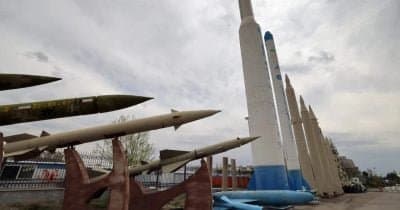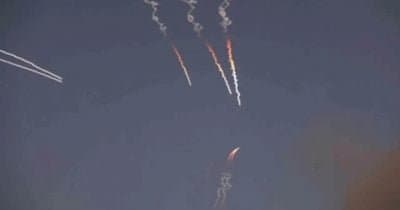
Iran's ballistic missile and drone strike on the Muwaffaq Salti Air Base in Jordan on July 17 marks a major escalation in the ongoing US-Iran tensions. Two US service members were killed, and one is missing, the first American combat deaths since hostilities reignited earlier this year. The attack targeted a key US military hub supporting coalition operations throughout the Middle East.
Strategic implications of the attack
The Muwaffaq Salti Air Base is vital for projecting US military influence in the region. Its prior targeting during flare-ups underlines its vulnerability and strategic importance. Iran’s combined missile and drone assault demonstrates enhanced offensive capabilities and a willingness to intensify military pressure. The US military responded with retaliatory strikes against Iranian positions, aiming to reduce Tehran’s ability to threaten personnel. Such swift retaliation follows the directive from President Trump’s administration to deter further aggression.
Market risks from geopolitical escalation
This military confrontation raises immediate concerns about the Strait of Hormuz, a chokepoint for nearly 20% of global oil supply. Any disruption threatens to exacerbate volatility in global energy markets, with ripple effects across risk assets. Historically, geopolitical shocks that involve US casualties push capital into safe havens, notably Bitcoin, which surged about 7% after the 2020 US killing of Iranian General Qasem Soleimani. Similar patterns emerged during Russia’s invasion of Ukraine in 2022, where Bitcoin initially dipped with equities but eventually outperformed, highlighting its emerging role as a crisis hedge.
The uncertainty surrounding the missing service member injects further volatility. Confirmation of death or capture would likely escalate domestic political calls for broader military action, amplifying geopolitical risk premiums and potential market disruptions.
Crypto markets have already reacted with notable liquidations exceeding $350 million, reflecting heightened investor anxiety.
This material is informational and does not constitute financial advice