The geopolitical landscape surrounding Iran's nuclear program has reached a critical juncture, with the U.S. demanding that Tehran surrender its highly enriched uranium before any diplomatic agreements can be reached. This stance, characterized by the blunt phrase 'No dust, no dollars,' could have profound implications not only for oil markets but also for the broader financial ecosystem, including cryptocurrencies.
The Stakes of the U.S.-Iran Negotiation
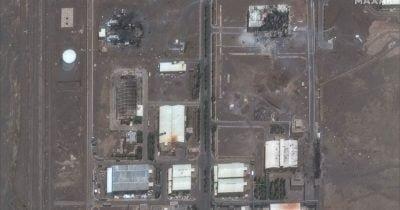
Sources indicate that Iran holds around 440.9 kg of uranium hexafluoride enriched to 60% and 184.1 kg enriched to 20%. Much of this material lies beneath the rubble of nuclear sites, damaged by military strikes in 2025. The recent memorandum of understanding opened a 60-day window for negotiation, addressing key issues such as uranium disposal, navigation rights through the crucial Strait of Hormuz, and the potential lifting of sanctions. However, Iran's ambiguous stance on the surrender of this 'nuclear dust' casts a cloud over the talks.
Given that the Joint Comprehensive Plan of Action (JCPOA) formally expired in 2025 after the U.S. withdrew in 2018, the current negotiations are fraught with complexity. They are occurring in the wake of military confrontations, and the escalating tensions could lead to unpredictable consequences for the global oil supply.
Oil Market Repercussions
The Strait of Hormuz is vital, facilitating a substantial portion of the world's oil transit. Any disruptions to this chokepoint, whether from failed negotiations or military actions, are likely to send crude oil prices soaring. The situation presents two scenarios: successful negotiations that lead to Iranian oil re-entering the global market, thereby lowering prices, and failed negotiations that escalate tensions, leading to increased prices due to supply fears.
In this environment, watching oil price movements is crucial as they influence virtually every financial market, from traditional stocks to cryptocurrencies.
Implications for Cryptocurrency Investors
The U.S. sanctions regime has direct implications for the cryptocurrency landscape. Financial institutions and companies engaged in international trade, particularly in regions with limited banking accessibility, often rely on dollar-pegged stablecoins. A shift in U.S. sanctions whether a loosening that allows Iranian oil back onto the market or a tightening that maintains sanctions would significantly impact trade flows and the demand for these stablecoins.
As evidenced by comparable geopolitical scenarios, such as those illustrated in our analysis of Russia's fuel dynamics, the outcome of U.S.-Iran relations could ripple through various sectors, creating both risks and opportunities for investors. Therefore, stakeholders in the crypto market must remain vigilant during this negotiation period, as the outcomes could reshape liquidity and trading practices globally.
This article is informational and should not be considered financial advice.