As geopolitics shift and energy needs evolve, the Kirkuk-Baniyas pipeline is poised for a significant revival. This pipeline, which has been dormant since 2003, is set to be at the forefront of an upcoming deal between the US, Iraq, and Syria.
Iraqi Prime Minister Ali al-Zaidi is expected to finalize discussions with President Donald Trump in mid-July 2026, marking a potential turning point for this historic corridor. The commitment to rehabilitate the pipeline was highlighted in a joint statement earlier this year, and the involvement of US investment firm TI Capital has initiated preliminary feasibility studies.
Why the Pipeline Matters Now
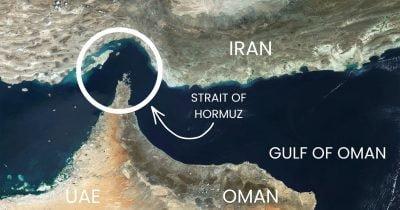
The Kirkuk-Baniyas pipeline, completed in 1952, symbolizes the complexities of Middle Eastern politics once a vital artery for oil exports, it has languished amidst regional turmoil. With Iraq overly reliant on the Strait of Hormuz for oil exports, a strategic shift towards reopening this pipeline could alter energy trade dynamics significantly. Currently, around 20% of the world's oil supply relies on this narrow transit point, which is now complicated by Iran's recent decision to impose cryptocurrency tolls for passage. These fees, reaching roughly $2 million per supertanker, introduce a financial strain that Iraq seeks to alleviate.
Revitalizing the Kirkuk-Baniyas pipeline could allow Iraq to export around 300,000 barrels of oil per day directly to the Mediterranean, sidestepping the economic pressures posed by Iranian tolls. This not only enhances Iraq's energy security but also diminishes the volume of oil subject to these newly established crypto tolls.
Implications for Energy Markets
The anticipated meeting between Trump and al-Zaidi signals whether this project will transition from mere discussions to actual implementation. Given the failed revivals in the past, this moment is critical. If the project gains traction, it may lead to a significant de-escalation of dependency on the Strait of Hormuz, reshaping how oil is traded in the region.
The impact on energy markets could be profound. A successful revival would likely reduce speculative pressures caused by geopolitical tensions, stabilizing prices and potentially enhancing investment flows into the energy sector. Moreover, the nuanced integration of cryptocurrency in this context highlights an innovative financial strategy employed by state actors to navigate economic challenges while maintaining control over critical assets.
This article is for informational purposes only and should not be considered financial advice.