China's recent directive to maintain fuel production levels amid escalating tensions in the Middle East showcases a strategic pivot in its energy policy that could have broad ramifications for global markets, including those of commodities and cryptocurrencies.
Context of the Directive
The National Development and Reform Commission (NDRC) of China, responding proactively to the ongoing conflict in Iran, has instructed major refining corporations such as Sinopec to sustain gasoline and diesel output at 2025 levels. This move comes during a period of significant disruption to oil supply chains, particularly in the Strait of Hormuz, where a substantial portion of crude oil flows has been impacted since late February 2026. Reports indicate that China’s crude imports plunged to 7.8 million barrels per day by May 2026, setting an eight-year low.
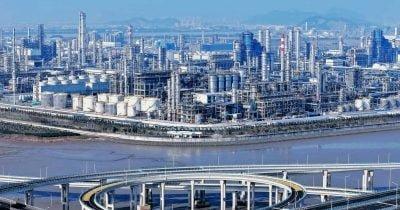
As Sinopec, the world’s largest refiner by capacity, grapples with a 5% production cut due to limited crude availability, the situation becomes increasingly complex: refiners are pressed to enhance consumer fuel output even while facing reduced feedstock and governmental restrictions on new export agreements.
Implications for Energy Security and Foreign Policy
China's approach reflects a long-standing effort to mitigate its reliance on Middle Eastern oil, with this region providing over 40% of its oil imports. This dependency has raised strategic concerns within Beijing, suggesting that the current crisis could further catalyze shifts in Chinese foreign policy aimed at achieving greater energy autonomy.
For investors observing these developments, this situation serves as a noteworthy reminder that state-owned enterprises like Sinopec might operate on different risk assessments compared to Western public energy companies. Sinopec’s willingness to absorb margin losses mandated by the NDRC highlights how governmental directives can impact financial performance.
Ripple Effects on Commodity and Crypto Markets
Another crucial aspect of this evolving situation is how it alters oil trade dynamics, particularly given the sanctions imposed on Iran. With traditional banking routes blocked, there is an observable increase in the use of stablecoins and digital assets for transactions related to sanctioned oil deals. Tether’s USDT has frequently arisen in discussions pertaining to settling oil trades independent of the SWIFT network.
This trend of integrating cryptocurrencies into high-stakes commodity transactions suggests a significant evolution in how such trades are financed amidst stringent economic sanctions. As markets adapt to these new realities, the intersection between the traditional energy sector and digital finance is poised to deepen, potentially affecting both energy and crypto market valuations.
This article serves informational purposes only and does not constitute financial advice.