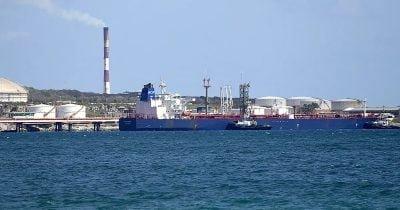
On July 11, Ukraine executed a significant military operation against Russian maritime assets in the Sea of Azov. The coordinated drone strikes targeted 21 Russian tankers, alongside four tugboats and two cargo ships. This operation represents a strategic initiative to disrupt Russia's shadow fleet, which has been established to circumvent international sanctions on energy exports.
The strikes unfolded over a four-day period, culminating in substantial damage to Russia's naval capabilities. Ukrainian forces managed to impact about 29% of the 120 Russian vessels operating in the area. The targeted tankers were reportedly responsible for transporting petroleum products from Taganrog to occupied Crimea, which plays a crucial role in supporting Russia's military logistics. This disruption indicates a significant blow to an essential supply line, raising questions about the operational capacity of Russian forces in Crimea.
The Shadow Fleet's Evasion Tactics
The vessels struck feature heavily in a logistical framework designed for sanctions evasion. Russia employs a variety of deceptive strategies including the use of shell companies, disguised ownership, and inactive AIS transponders to continue its energy exports under the radar of international regulations. Such methods have parallels in illicit activities involving cryptocurrency, where anonymity can shield transactions from regulatory scrutiny.
Implications for Cryptocurrency Usage
The connection to cryptocurrency is particularly noteworthy, as recent reports indicate Russia has increasingly relied on digital assets for cross-border oil payments, especially utilizing stablecoins. This trend raises concerns given the burgeoning volume of transactions, reportedly reaching into the billions. While platforms like Tether have been known to freeze wallets linked to sanctioned entities, the sheer scale of Russia's reliance on stablecoins suggests an overwhelming challenge for crypto issuers to monitor and control.
In the context of cryptocurrency regulation, the European Union’s Markets in Crypto-Assets regulation imposes specific requirements that relate to transaction transparency. However, the recent strikes did not tie directly to any particular cryptocurrency transactions or the vessels involved, which highlights the ongoing complexities of enforcing financial sanctions in an era marked by digital currencies.
As Ukraine continues these operations, the ramifications for Russia’s fuel supply chains could extend beyond immediate logistical challenges. Persistent disruptions raise the stakes not only for Russian military operations but also for the broader geopolitical landscape amid growing sanctions and countermeasures.
This article is for informational purposes only and should not be considered financial advice.