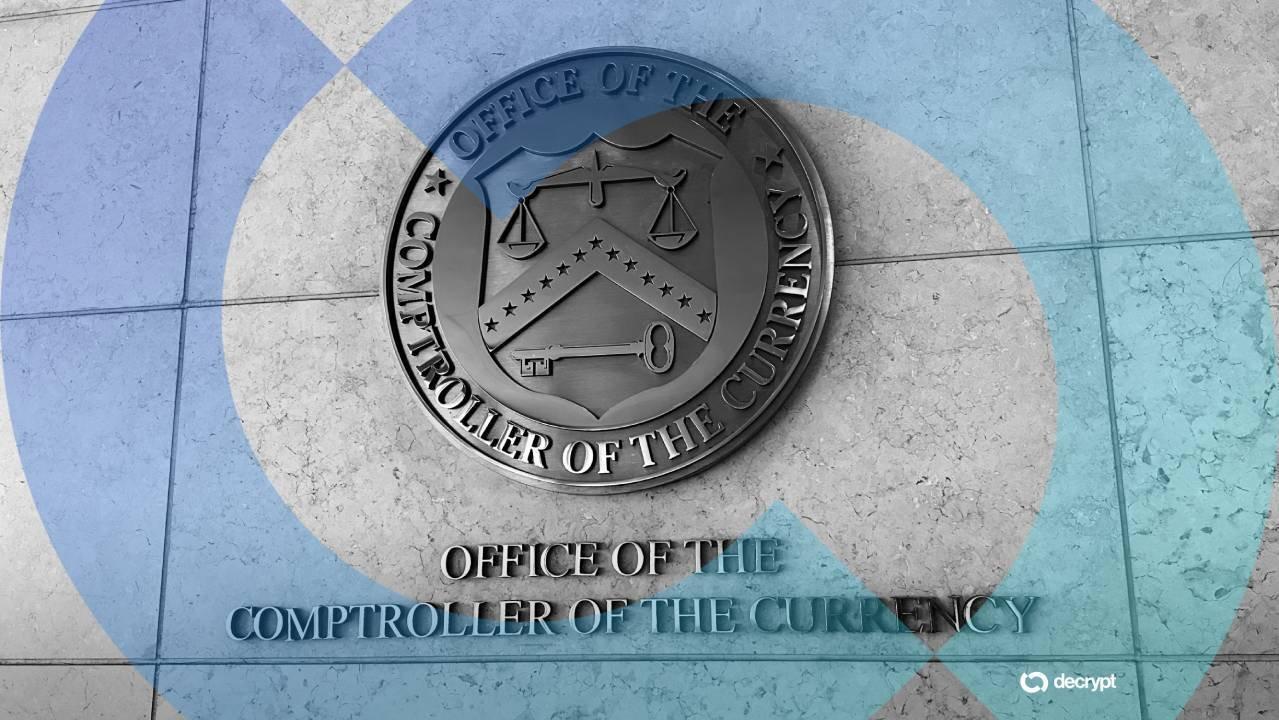
The recent approval of Circle's federal banking charter is a significant milestone not just for the company, but for the entire cryptocurrency ecosystem. This development not only enhances Circle’s credibility but potentially redefines the landscape of stablecoins, particularly those pegged to the US dollar like USDC.
Implications for Circle and Wider Crypto Adoption
The Federal Reserve's nod to Circle enables it to operate within a regulated framework which, subsequently, elevates the perception of USDC as a more stable and reliable medium of exchange. As investors look for more assurance in the crypto market, a federally-chartered issuer could foster increased adoption of stablecoins among institutions seeking safety and stability in digital assets.
Stablecoins, particularly USDC, are pivotal in the crypto marketplace for providing liquidity and facilitating trading. Circle's new status might encourage other stablecoin issuers to pursue a similar path, pushing for regulatory clarity. This could further consolidate the position of regulated digital currencies in the broader financial landscape.
Market Reactions and Future Outlook
The approval has already had an immediate effect on Circle’s stock prices, demonstrating investor confidence in the token and the company's potential for growth. Such optimism might lead to a wave of investments towards Circle's offerings, allowing it to expand its services and possibly develop new features tied into fiat functionalities.
- Circle's federal banking charter improves its regulatory standing.
- USDC could become the go-to stablecoin for institutions.
- Regulatory clarity may inspire similar initiatives from other stablecoin issuers.
As we look ahead, it's worth considering how Circle's progress might influence the regulatory discussions surrounding stablecoins. The success of this charter could sway policymakers towards a more favorable view of digital currencies, potentially leading to a well-structured regulatory environment that benefits both issuers and users.
This article is for informational purposes only and should not be considered financial advice.