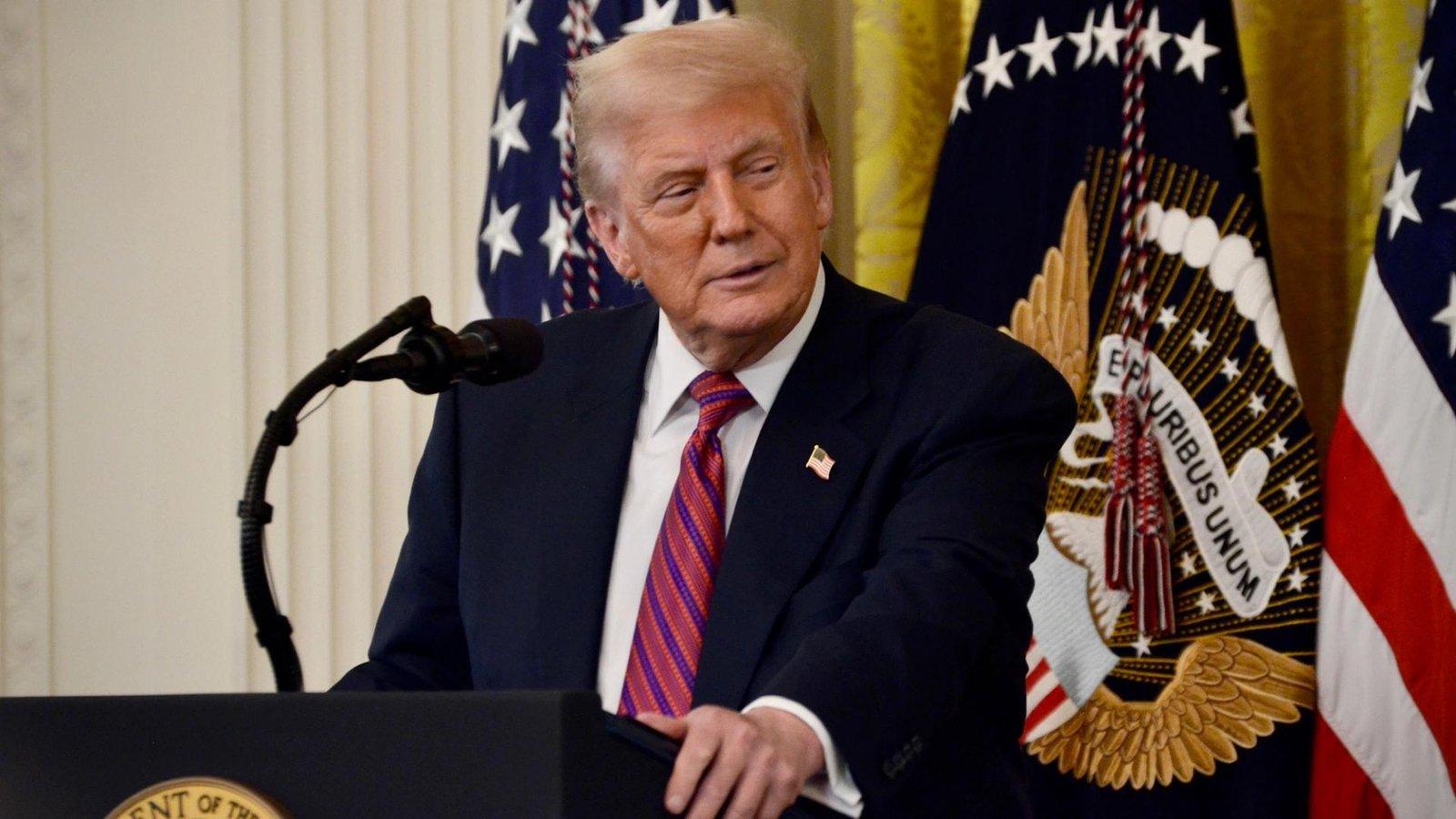
The ongoing political maneuvering surrounding a housing bill that addresses Central Bank Digital Currencies (CBDC) is not just a legislative footnote; it speaks volumes about the intersection of economic policy and emerging technologies. With President Trump indicating he will not endorse this bill unless it includes provisions banning CBDCs, we find ourselves at a pivotal moment where regulatory frameworks may shape the future of digital assets.
As the narrative unfolds, it is crucial to understand why the CBDC ban is a significant sticking point in this bill. CBDCs are seen as potential challengers to private cryptocurrencies and could reshape traditional banking systems. They may enhance the government's ability to monitor financial transactions and curb money laundering, but they also raise concerns about personal financial privacy and the potential for governmental overreach. Trump's opposition reflects broader concerns among certain political factions about the implications of such government-issued digital currencies on economic freedom and individual privacy.
The Current State of Cryptocurrency Markets
As political uncertainty looms, cryptocurrency markets are witnessing fluctuations typical of a volatile trading environment. Bitcoin is trading at $64,047.00, reflecting a minor increase of 1.58%, while major altcoins like Ethereum and Binance Coin also show slight gains. This tight-knit movement in prices indicates that investors are closely watching political developments, awaiting clarity on regulations that may impact market dynamics.
Broader Implications for CBDC Regulation
Eventually, how this bill progresses will likely have ramifications that extend beyond partisan politics. If the housing bill passes without the CBDC ban, it may accelerate the Federal Reserve's exploration of a digital dollar, as regulatory frameworks would be clearer. Conversely, a failure to incorporate such a ban could strengthen calls among some lawmakers for more strict regulatory oversight of digital currencies.
This ongoing debate is critical for investors who have vested interests in both private cryptocurrencies and forthcoming digital currencies. Investors should brace for potential volatility as any legislative outcomes may sway public perception and trust towards CBDCs and, by extension, the broader cryptocurrency ecosystem. As we monitor this situation, those involved in the crypto market must adapt their strategies based on both regulatory changes and prevailing market sentiment.
This article is for informational purposes only and does not constitute financial advice.