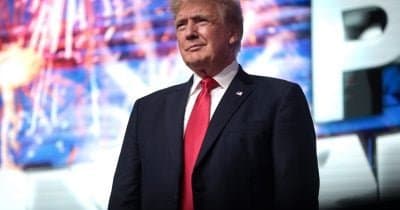
President Trump’s recent dismissal of imminent negotiations with Iran signals a sustained period of geopolitical tension as military conflicts escalate around the Red Sea. Despite rising international pressure for diplomacy, Trump’s remarks come amid active U.S. airstrikes targeting Iranian and Houthi militant positions and a steadfast U.S. naval blockade on Iranian ports. This stance diminishes hopes for a quick diplomatic breakthrough that could ease the volatile situation impacting key maritime routes.
Escalation in Military Engagements
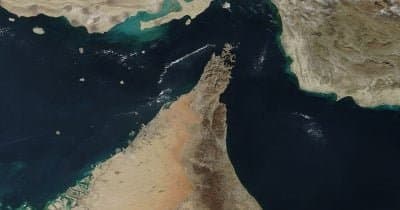
Iran-backed Houthi forces in Yemen have threatened key shipping lanes in the Red Sea, a critical artery for global energy supplies. The collapse of a previous ceasefire has led to renewed violence, with the U.S. intensifying military actions against both Iranian and Houthi targets. These developments complicate the security landscape, making negotiations less feasible in the near term.
Market Reflections on Diplomatic Prospects
Prediction markets reveal a marked skepticism about the U.S. ending its blockade on Iran by July 24, 2026, with only a 5.2% probability priced in for that outcome. Similarly, the chance of peace talks occurring by July 31 stands at a mere 8.5%. These figures highlight a market consensus that the conflict may persist longer than anticipated, affecting investor confidence and global risk sentiment.
Implications for Global Energy and Security
The ongoing threats to shipping routes in the Red Sea threaten to disrupt one of the world's busiest channels for oil transportation, potentially driving volatility in energy markets. Prolonged U.S.-Iran hostilities, compounded by Houthi actions, may trigger broader instability with ripple effects across supply chains and investor risk appetite.
Markets responded with muted optimism, reflecting heightened uncertainty about swift conflict resolution.
This material is informational and not financial advice.