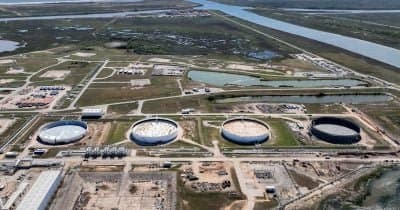
The United States has reached an alarming milestone in its energy storage strategy. As of July 10, 2026, the Strategic Petroleum Reserve (SPR) has declined to 316.5 million barrels, marking its lowest level since April 1983. This drop, approximately 3 million barrels in just one week, reflects a cumulative reduction of nearly 100 million barrels since February 2026, raising significant concerns about America's energy preparedness.
Context of the Decline
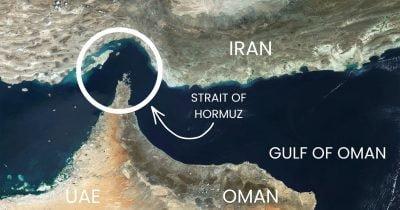
The drawdown comes amid escalating tensions in the Middle East, particularly due to the US-Israeli conflict with Iran that escalated in late February 2026. This context is critical, as it shows the vulnerability of the reserve at a time when geopolitical threats are mounting. The SPR was established in the 1970s to serve as a buffer against sudden oil supply disruptions, and its current levels around 44% of maximum capacity signal a precarious state of affairs.
Market Implications
With the reserve at such a low level, the US faces a reduced capacity to respond to unforeseen oil supply shocks, whether due to geopolitical events, pipeline attacks, or natural disasters. For investors in the energy sector, the implications are clear: the ability of the government to manage fuel prices through strategic releases is becoming increasingly limited. This scenario could lead to higher price floors for oil, as the market anticipates that the government may be unable to deploy its reserves effectively in times of crisis.
Conversely, should the tensions with Iran ease, we could witness a rapid decline in energy prices as risk premiums dissipate. This duality of potential outcomes creates a volatile environment for energy investors, particularly those focused on adjacent sectors such as Bitcoin mining, where energy costs are a significant factor in profitability. When oil and natural gas prices rise, the marginal costs associated with Bitcoin production increase, impacting miner revenues.
In light of these developments, the question of how the government will navigate this shrinking buffer remains paramount. The SPR has weathered multiple historical crises without reaching such depleted levels, making this a unique moment in US energy policy.
This article is informational and should not be considered financial advice.