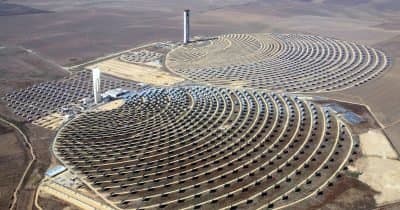
India's Ministry of New and Renewable Energy has recently mandated that clean energy firms either disconnect from the national grid or adhere strictly to scheduled power generation. This directive comes in response to the growing instability in the electricity grid, which has been strained by the rapid expansion of renewable energy capacity, currently standing at over 279 GW, accounting for nearly 52% of India's total electricity capacity as of April 2026.
Context: The Challenge of Balancing Growth and Stability
The Indian government’s decision reflects ongoing challenges in managing the integration of renewable energy into the existing grid infrastructure. While the rapid growth of renewable energy sources is commendable, it has exposed significant weaknesses in transmission capabilities. The directive is a critical step towards addressing these issues, aiming to ensure that renewable energy providers do not overwhelm the grid, potentially leading to outages or instability.
Details: Implications for Energy Firms and Market Dynamics
By imposing strict adherence to power generation schedules, the Indian government is pushing clean energy firms to enhance their operational compliance and infrastructure readiness. This move could lead to increased operational costs for these companies as they adjust to new regulations. However, it may also foster innovation in grid management and energy storage solutions, as firms seek to optimize their output without risking grid stability.
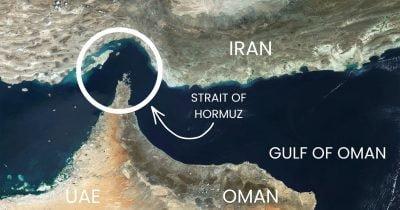
Meanwhile, the global energy market remains vigilant, particularly in light of geopolitical tensions in the Strait of Hormuz. Iran's recent statements about potential disruptions have not incited market panic; rather, the oil markets are reflecting a cautious optimism, with low probabilities for significant price hikes in WTI Crude Oil observed in prediction markets for July 2026. This dichotomy showcases how local regulatory changes can influence global energy dynamics, inviting further scrutiny of the interplay between regional policies and international markets.
Consequences: Potential Future Developments
The directive from India could set a precedent for other nations grappling with similar challenges of integrating renewable energy. Observers should closely monitor how compliance measures evolve and how clean energy firms respond to these new regulations. Furthermore, ongoing developments in the Strait of Hormuz and any shifts in oil supply or demand dynamics reported by OPEC+ or the U.S. Energy Information Administration will be crucial for understanding the broader implications of these intertwined situations.
This material is informational and not financial advice.