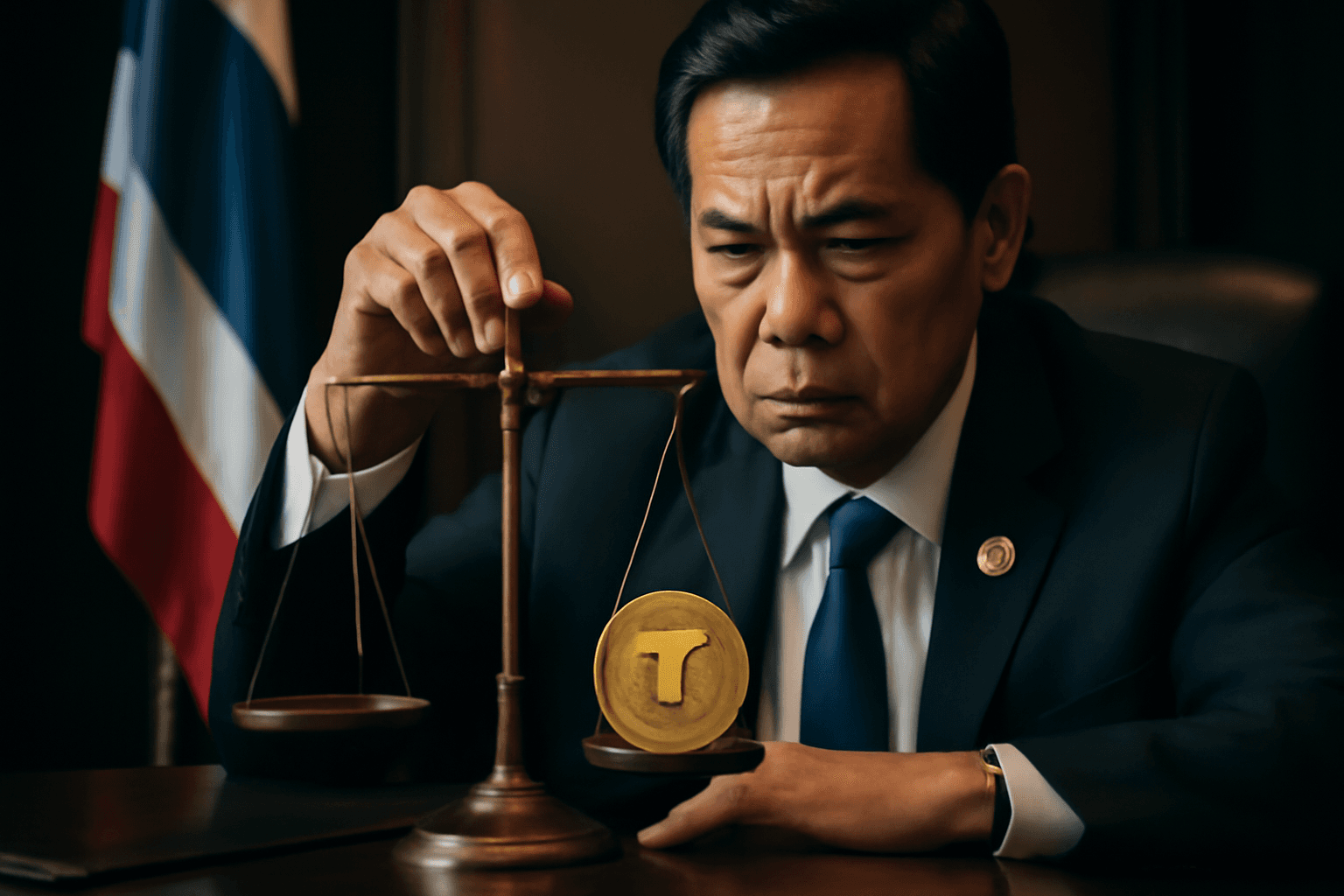
The Bank of Thailand (BOT) and the Securities and Exchange Commission (SEC) are ramping up efforts to regulate large transactions involving Tether (USDT) as part of a broader initiative to combat the shadow economy. This comes at a time when authorities are increasingly concerned about the potential of digital assets to conceal ownership and evade compliance protocols in domestic remittances.
Central to these changes is a new requirement for individuals depositing amounts of 5 million baht, approximately $150,000, to provide documented proof of their funds' origins. This marks a significant tightening of regulations aimed at enhancing financial transparency, a move Governor Vitai Ratanakorn argues is essential for sustainable financial management rather than merely a temporary measure.
Broader Implications for the Crypto Industry
The scrutiny on USDT transactions highlights an ongoing international trend where regulators are focusing on stablecoins. Thailand’s approach reflects a commitment to align with global anti-money laundering (AML) standards, potentially signaling a shift towards more stringent oversight in the crypto sector. Earlier this year, regulations required anyone withdrawing large sums to justify their transactions, which led to a notable decline in such withdrawals.
Now, the BOT and SEC are investigating whether large USDT transactions could facilitate illicit capital flows. Previous data indicated that around 40% of USDT transactions on Thai exchanges were conducted by foreign nationals, raising questions about adherence to local trading regulations. This scrutiny may lead to further compliance measures that could complicate trading strategies for both local and international investors.
Market Reactions and Future Outlook
As regulations tighten, the immediate market reaction may involve increased volatility in USDT trading volumes on Thai platforms as participants adjust to new requirements. The BOT's focus on stablecoins follows global trends of heightened scrutiny, particularly from European regulators. Investors will need to consider how these developments might impact market liquidity and accessibility, especially for those looking to utilize stablecoins for cross-border transactions.
In conclusion, these regulatory changes in Thailand are indicative of a larger global framework seeking to enforce compliance in the burgeoning world of digital assets. Stakeholders in the crypto market, particularly those involved with stablecoins like USDT, should prepare for a landscape marked by increased oversight and a potentially evolving trading environment.
This material is informational and not financial advice.