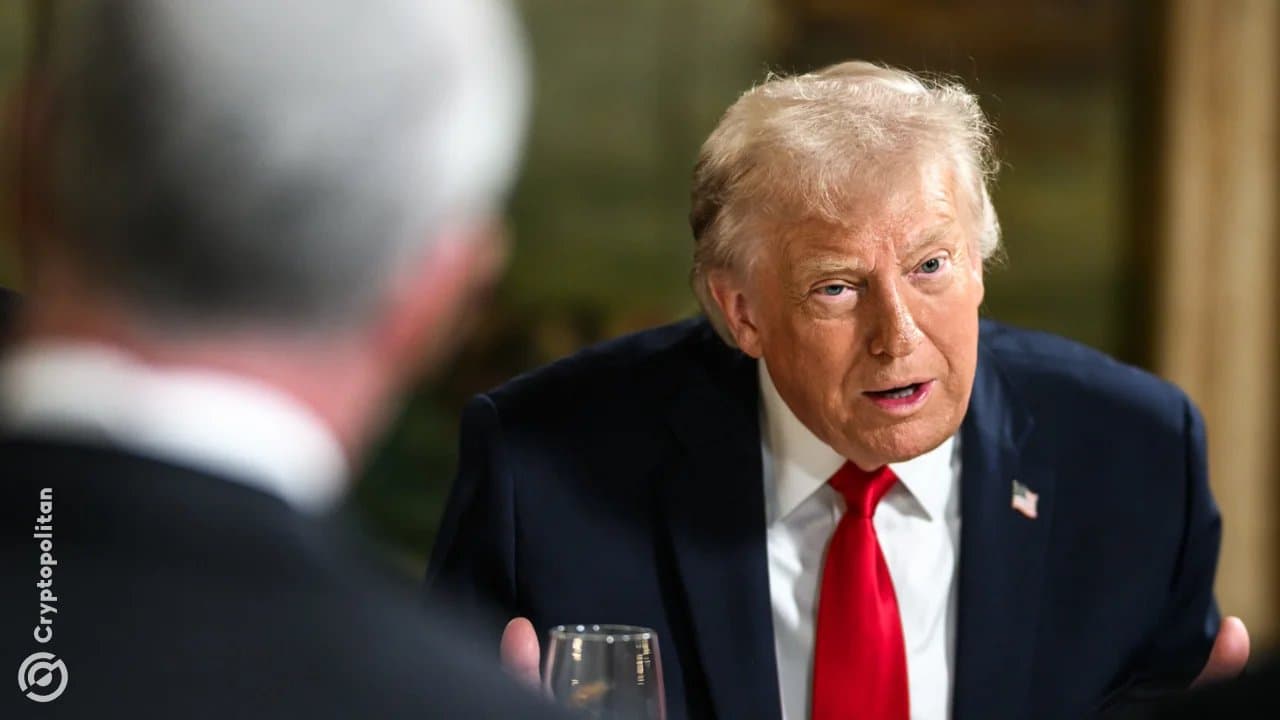
President Donald Trump has thrown his support behind the Sanctioning Russia Act of 2025, which introduces an astonishing 500% tariff on imports of Russian commodities. The bipartisan bill, championed by Senators Lindsey Graham and Richard Blumenthal, aims to impose these tariffs on countries that defy compliance, while raising serious concerns about potential cryptocurrency evasion tactics.
The Scope of the Legislation
Enacted on July 10, 2026, this legislation's implications extend into the cryptocurrency space, particularly as Russia has developed a network for circumventing sanctions. The bill’s provisions suggest a strict stance against Russia's economic actions, especially amid ongoing tensions related to Ukraine. Should Russia escalate its military actions or fail in peace negotiations, further sanctions would be activated.
The economic measures target various commodities including petroleum and uranium. With the bill having lingered in Congress since its introduction on April 1, 2025, its recent endorsement by the White House marks a critical shift in policy. Such bipartisan backing enhances its resilience compared to less-supported initiatives.
Crypto Ramifications
While the current draft of the bill does not directly address cryptocurrency as a means for sanctions evasion, the reality is that Russian entities have already utilized a ruble-backed token network to channel over $2.2 billion in transactions, highlighting the urgent need for regulatory oversight. The lack of explicit crypto provisions raises questions about whether policymakers are sufficiently prepared for the complexities posed by digital assets.
A growing demand for transaction monitoring services has emerged, particularly for firms like Chainalysis and Elliptic, as compliance becomes crucial for the crypto sector. Agencies such as OFAC and FinCEN can enforce compliance requirements on digital asset providers without waiting for additional legislative measures, potentially reshaping how exchanges and custodial services operate under these new sanctions.
This article is for informational purposes only and should not be considered financial advice.