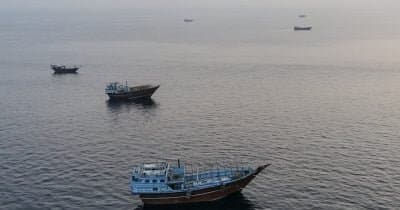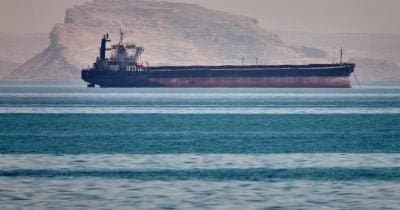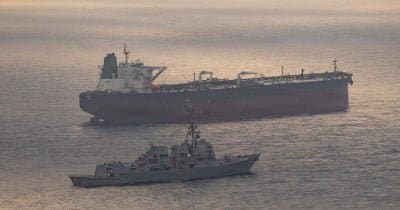
The United States has set a new course by announcing the reimposition of a naval blockade on Iran, aligning with the anniversary of the Joint Comprehensive Plan of Action (JCPOA). This move represents a stark shift from the recently established ceasefire, which had temporarily lifted the blockade after the intense warfare involving the US, Israel, and Iran in 2026. This decision not only amplifies regional tensions but also highlights potential failures in diplomatic negotiations, particularly if Iran's compliance with ceasefire conditions is under scrutiny.
Market analysts are reacting to this renewed blockade as a significant escalation, raising alarms about the global oil trade's stability. The Strait of Hormuz, a crucial artery for oil shipments, is now facing reduced ship traffic, which could further disrupt oil supply chains. Recent data shows this sentiment: the likelihood that fewer than 150 vessels will navigate the Strait between July 6 and July 12 has skyrocketed to 86.8%, a dramatic rise from just 12% indicated a week prior. This indicates a stark market sentiment shift reflecting heightened geopolitical risk.
The implications of the blockade extend beyond just numbers. With military action potentially looming considering US-Israeli airstrikes and possible Iranian retaliatory measures oil prices could become highly volatile. Disruptions stemming from the blockade not only affect logistical operations but could also send shockwaves through energy markets globally, alongside fluctuations in oil prices that impact broader economic landscapes.
Investors should remain vigilant, monitoring diplomatic shifts from Iran and any alterations in US foreign policy that could influence the overall stability of the region and the future of oil markets. Ongoing changes in the conditions surrounding the Strait of Hormuz will likely play a critical role in shaping market reactions and investment strategies moving forward.
This article is for informational purposes only and does not constitute financial advice.