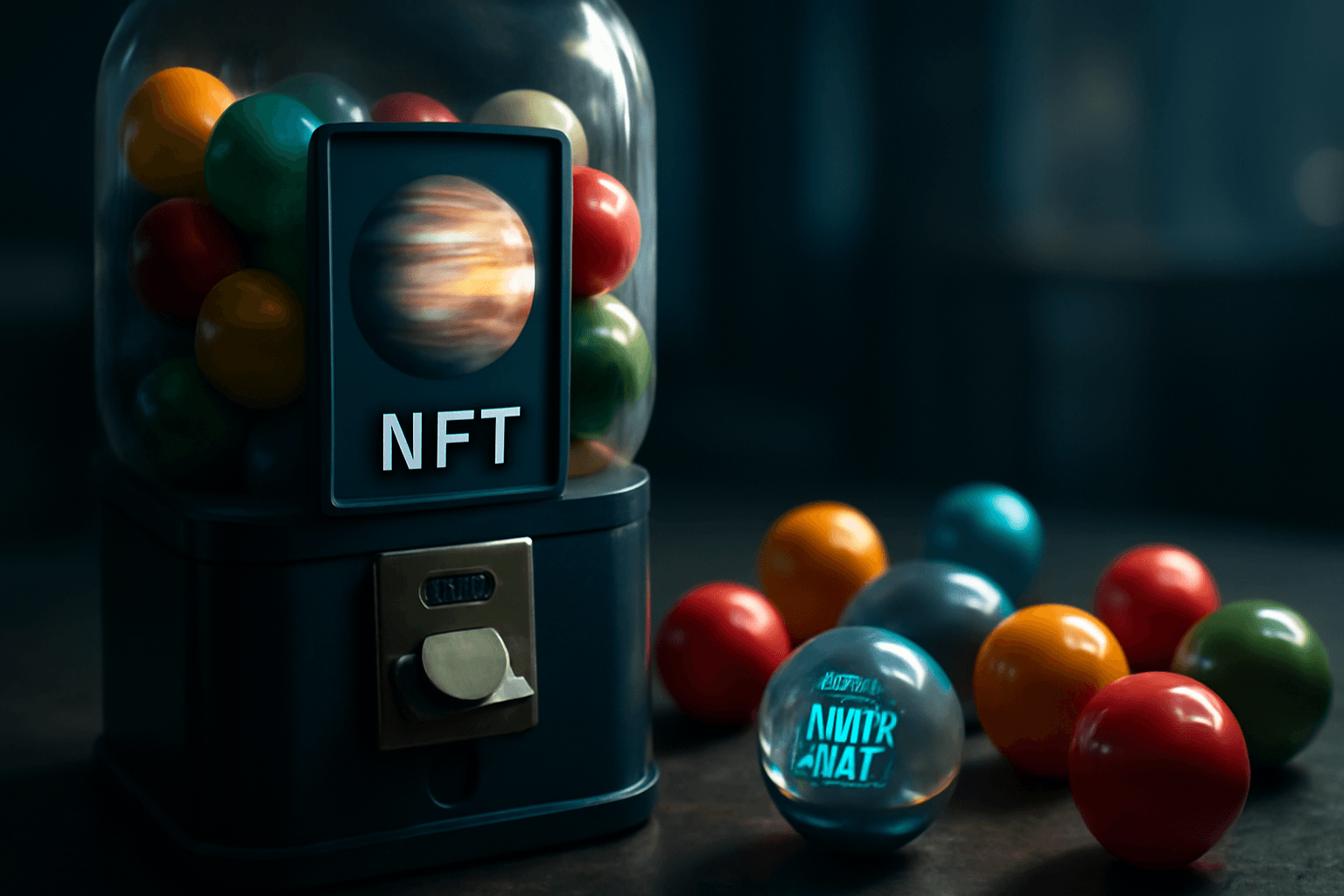
On July 13, Jupiter Exchange unveiled its beta version of Jupiter Gacha, a platform merging nostalgia with modern technology by allowing users to open digital packs containing real, professionally graded Pokémon and One Piece cards. Each card is tokenized on the Solana blockchain and is backed by physical cards securely held in vaults, combining the allure of collectible trading with the efficiency and transparency of blockchain technology.
The Mechanics of Gacha on Solana
Jupiter's Gacha draws inspiration from Japanese gachapon machines, which dispense random prizes for a fixed cost. In this digital iteration, users can spin and tap to open packs, receiving graded cards in return, such as PSA or BGS slabs. Each transaction is recorded on the Solana blockchain, enabling ownership transfers and trades to be tracked publicly and securely.
The platform's integration with Solana is particularly noteworthy; the blockchain’s capability to handle a high volume of small transactions at low costs is essential for making frequent pack openings feasible. Collector Crypt, a partner behind Jupiter Gacha, has already processed over $1 billion in gacha volume, signifying a strong market interest and established trust in this model.
Market Implications and User Options
Users engaging with Jupiter Gacha have multiple avenues following their card pulls: they can trade tokens on the platform, hold them as collectibles, sell back through a buyback mechanism, or redeem physical cards. The buyback prices, ranging from 85% to 93% of indexed market value, provide a safety net that could attract more cautious collectors who may worry about the volatility associated with resale markets.
This launch is significant as it aligns with broader trends in digital collectibles and the growing intersection of gaming with cryptocurrency. The nostalgic angle of bringing childhood favorites to a modern audience is a strategic move, capitalizing on the sentimental value that many collectors associate with Pokémon and One Piece.
Furthermore, Jupiter's $100,000 rewards pool, distributed through loyalty programs and leaderboards, incentivizes user engagement and may significantly boost participation rates. Such gamification strategies could redefine how users interact with trading cards, blurring the lines between gaming, collectibles, and investment.
As the beta progresses, the performance of Jupiter Gacha may offer insights into future trends in collectible markets, especially as Solana's adoption continues to grow. With other platforms like Rarible exploring similar models, this launch could catalyze a wave of innovations in digital asset trading.
This material is for informational purposes only and should not be considered financial advice.