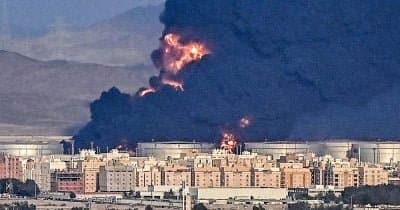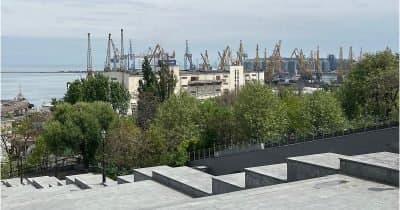
Brent crude oil surged 5.4% to $85.58 per barrel within 24 hours as Iran-US tensions drastically curtailed shipping through the Strait of Hormuz, now operating at just 5% of its normal capacity. This bottleneck is critical because the strait channels roughly 20% of global oil supply, making its disruption a significant supply shock.
The market reaction illustrates growing anxiety about sustained supply constraints. Hedge funds have notably expanded their exposure to Brent crude, betting on further price appreciation. Prediction markets now assign a 39.5% probability to WTI crude hitting $90 in July, a sharp jump from 19% the previous day. Even a $100 target has gained traction, with an 11.3% likelihood, underscoring how geopolitical risk factors are driving bullish sentiment.
These developments reveal how vulnerable energy markets remain to geopolitical flashpoints. The Strait of Hormuz’s drastic capacity reduction not only tightens immediate supply but also pressures traders and producers to reassess risk premiums embedded in crude prices. This volatility arrives amid stalled diplomatic efforts, which prolong uncertainty and limit near-term relief.
Investors and analysts should closely watch diplomatic negotiations and statements from OPEC+ and agencies like the International Energy Agency for signals on potential supply adjustments. Any resolution that restores normal passage through the strait or signals increased production could quickly temper these elevated price expectations.
This material is for informational purposes and does not constitute financial advice.